
Case study — AIMD · Clinical AI
One backend. Five specialties.
AIMD is a Mumbai clinical-AI company founded by senior surgeons. Script Lanes is its technology team — we build and run the whole estate, from the shared backend to five specialty platforms, the mobile apps, and every site around them.


AIMD
The medical intelligence company · Mumbai
Scope
Platform · Five web apps
Mobile · Web estate
In production
Since late 2025
OrthoAI apps live December 2025
Stack
TypeScript · Next.js · Expo
Postgres · Prisma · Qdrant
LangChain · SSE
Client
AIMD — Clinical Artificial Intelligence Medi Decisions, Mumbai
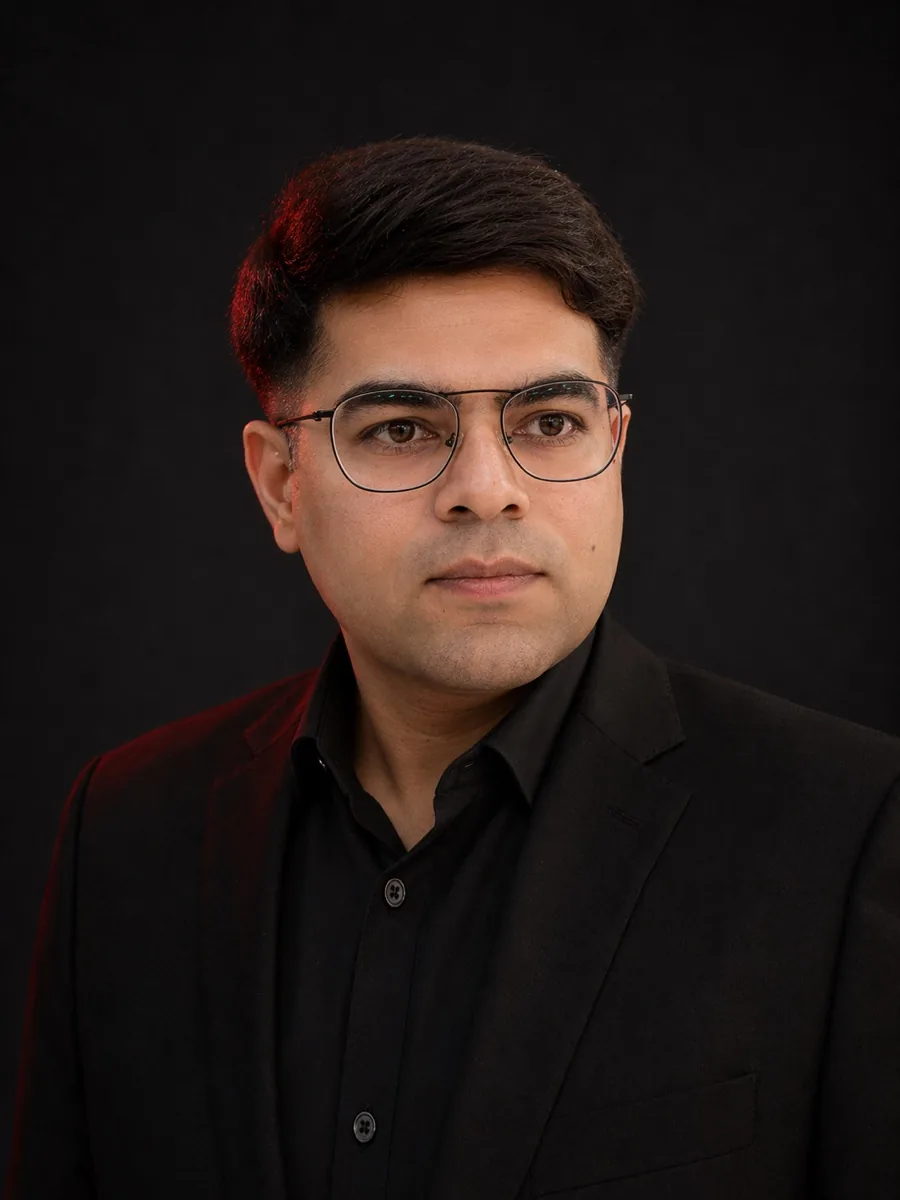
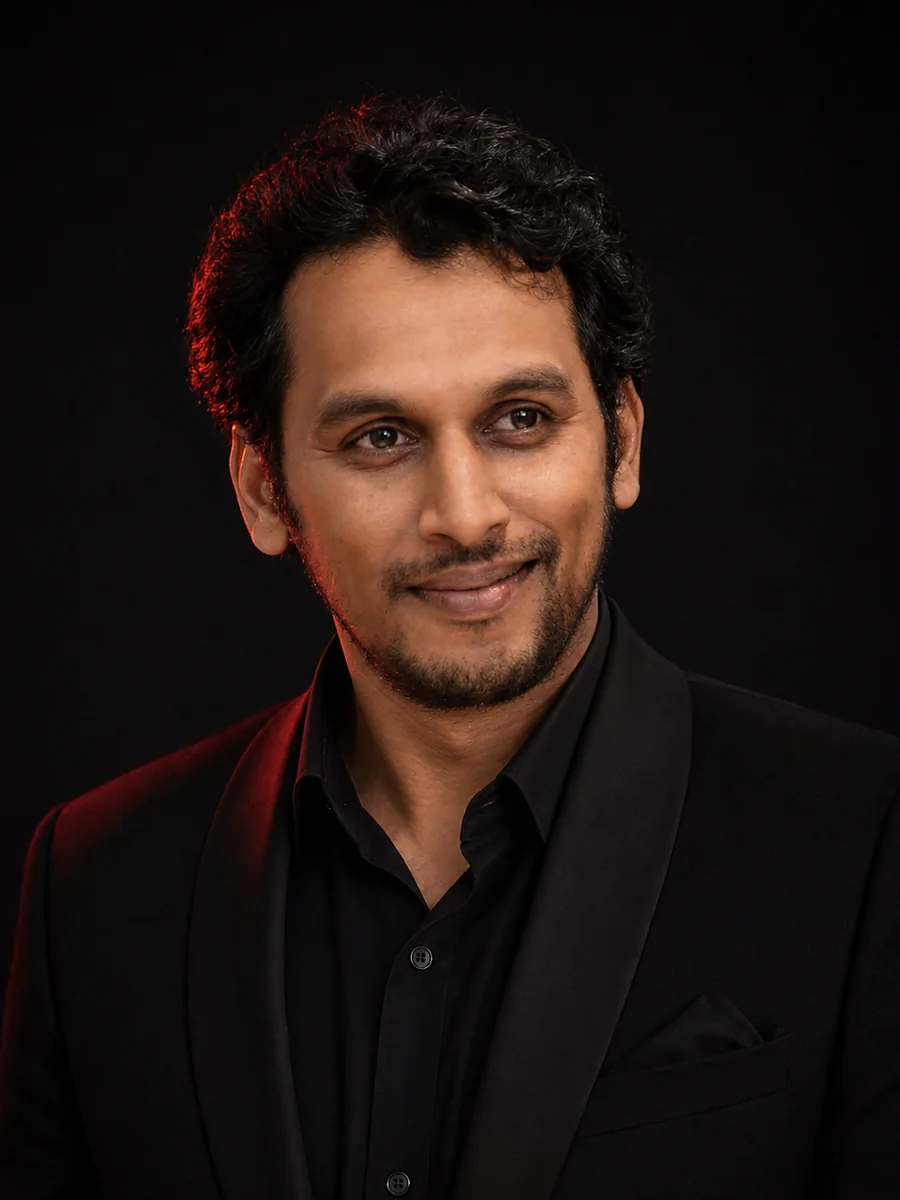
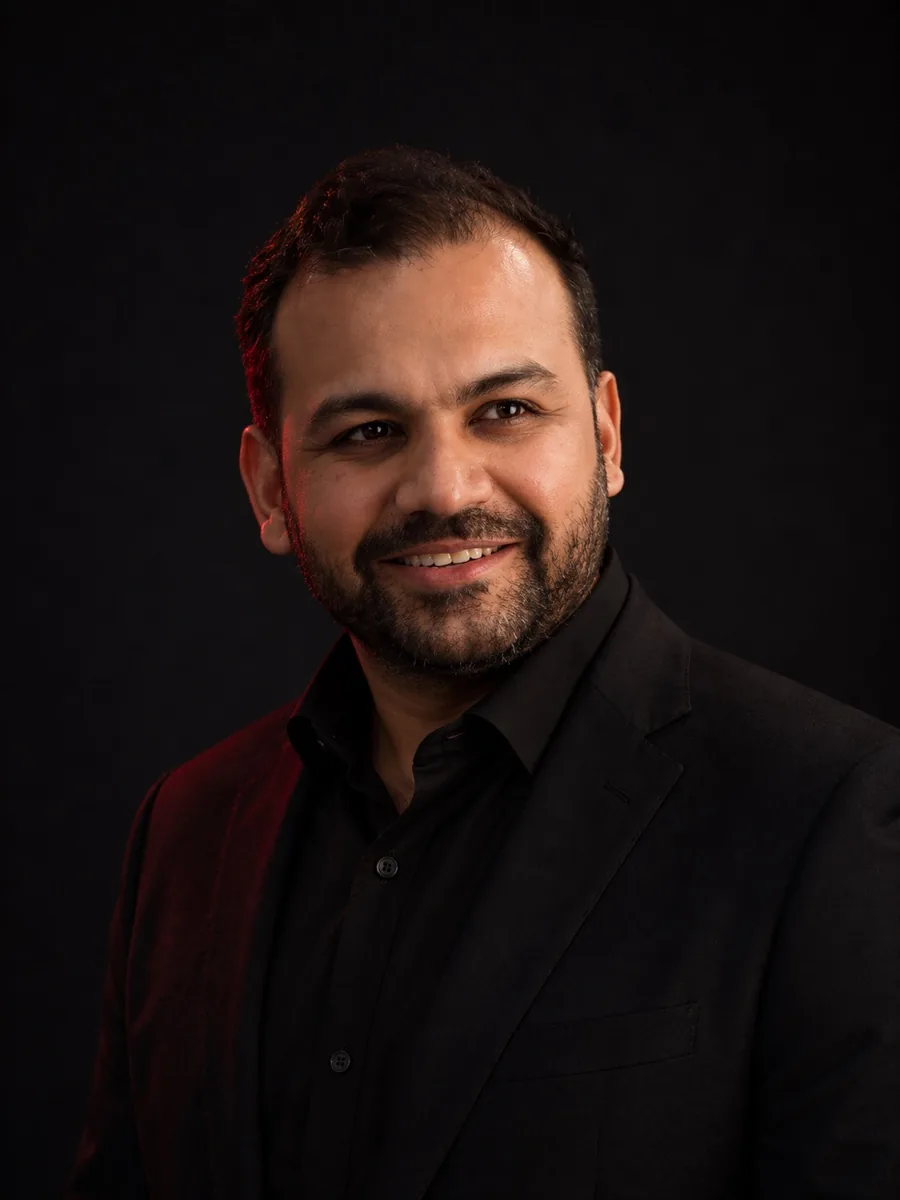
Founded by Dr Parag Sancheti, Dr Ashok Shyam, Dr Neeraj Bijlani and Dr Vaibhav Bagaria
The brief
A clinical-AI company needed a whole technology estate — not one app.
AIMD was founded by senior clinicians: Dr Parag Sancheti, Chairman of the Sancheti Institute for Orthopaedics & Rehabilitation in Pune; Dr Ashok Shyam of the Sancheti Institute and OrthoTV; Dr Neeraj Bijlani, consultant orthopaedic surgeon; and Dr Vaibhav Bagaria, Director of Orthopaedics at Sir H. N. Reliance Foundation Hospital, Mumbai. They set out to build a medical intelligence company, not a single product.
That meant five specialty platforms, mobile apps, an admin dashboard, and the corporate and product websites around them. Script Lanes is AIMD's technology team — named on their own site — and one small team builds and runs all of it.
The model
Five brands. One engine.
A cardiologist opens CardioAI. A surgeon opens OrthoAI. Different brands, different sites, different apps — and the same backend answering both. Each platform takes clinical questions 24×7 and grounds its answers in PubMed, a library of more than 36 million citations, through agents tuned to its own specialty. There are 34 configured specialists across the family.
Nothing about the caller is hardcoded. Every request resolves its own settings from the database — workspace first, then product, then a default — and that lookup decides the prompt, the specialist, and the model that answers. A new specialty is a configuration, not a new platform.
The build
Six front ends over one codebase.
The five platforms and the admin dashboard are separate apps over a shared API: 48 database models, around 120 endpoints, one streaming contract. Express and TypeScript on the server, Prisma over Postgres, LangChain across OpenRouter, OpenAI and Gemini, Qdrant for vector search. Answers stream over SSE to five web apps and the mobile app alike.
OrthoAI
The flagship. Evidence-backed chat for orthopaedic clinicians, imaging report support, and native iOS and Android apps live since December 2025.
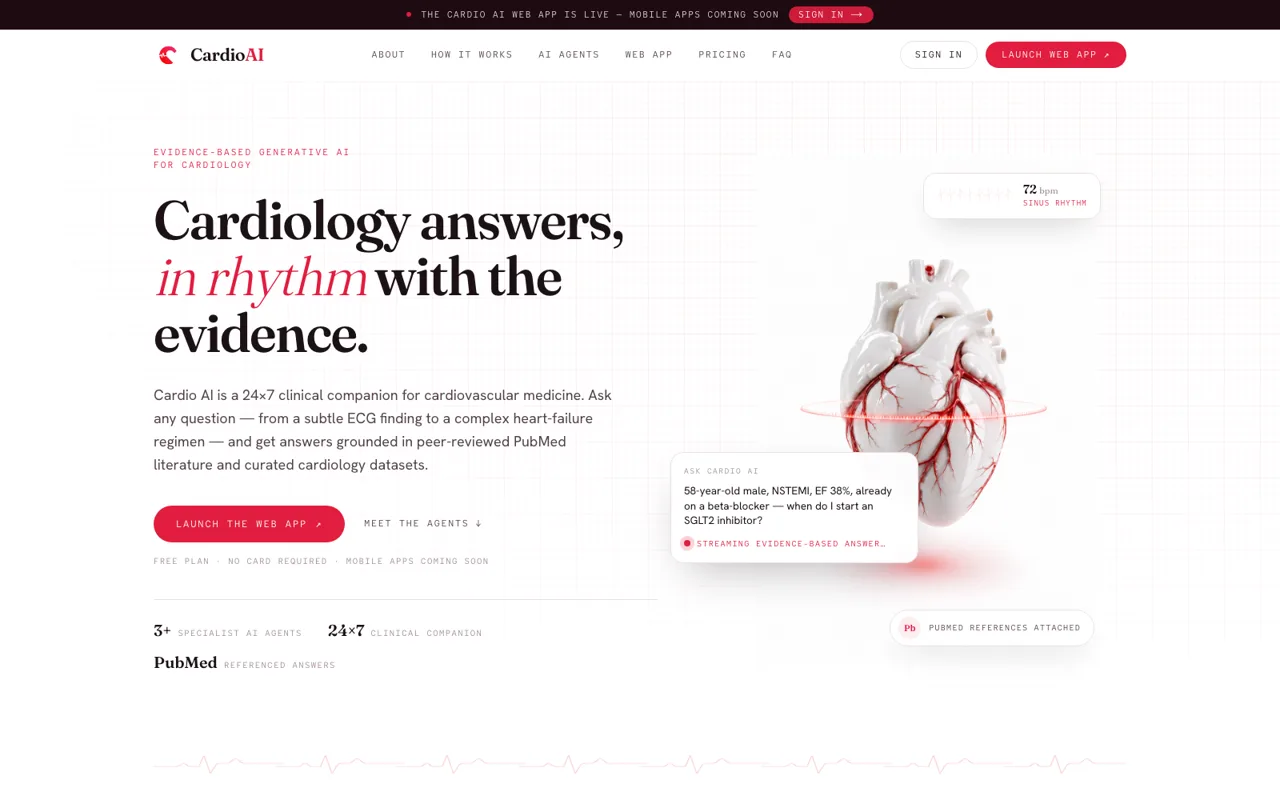
CardioAI
Cardiology, with its own agents, prompts and sources.
RehabAI
Rehabilitation and recovery, on the same engine.
DentalAI
Dentistry, tuned to its own specialists.
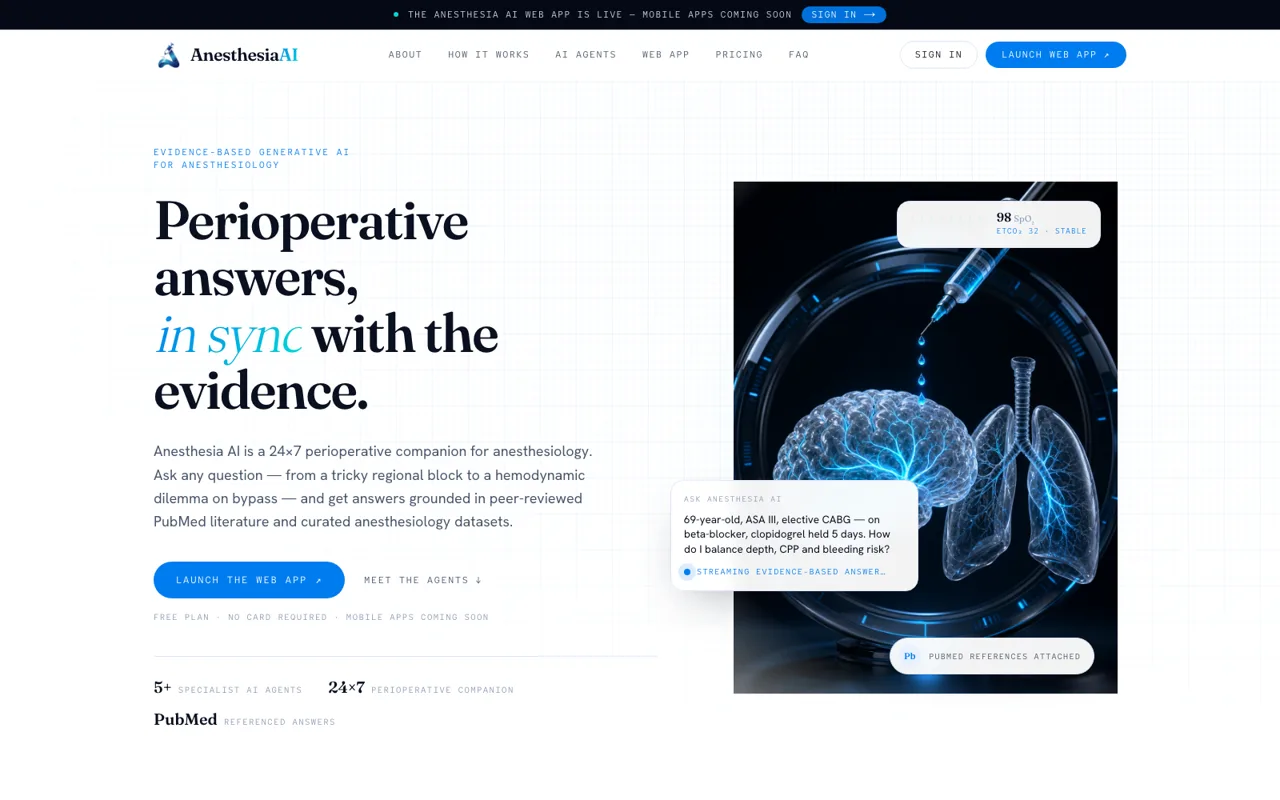
AnaesthesiaAI
Anaesthesia — configured, not rebuilt.
Admin dashboard
Workspaces, products, prompts, agents and models — the cockpit where the configuration lives.
The database decides, per request.
Which product a request belongs to, which prompt it gets, and which model answers are all read at request time — workspace, then product, then default. Change a row, change the behaviour. No branch in the code says the word "cardiology".
Answers that arrive with the evidence.
Every platform answers from verified medical sources and shows the citations behind the summary, so a clinician can read the paper rather than trust the paraphrase. The detail of how that works lives in the Ortho·AI case study.
Two payment rails, one subscription.
Apple's in-app purchases on iOS and Razorpay everywhere else meet in one place on the server, so a plan means the same thing wherever it was bought. Each rail writes to its own webhook-event table, so a retried or duplicated notification is recorded once and only once.
Six sites, and no server to run.
The corporate site and the five product sites shipped in July and August 2026 as static exports on a CDN. Fast everywhere, nothing to patch at 2 AM, and no runtime standing between a clinician and the page.
Trust
Clinical software gets read closely. So we read it first.
Doctors ask harder questions of software than most users do, and they are right to. The estate is built to answer them — audited end to end, with access rules a clinician's employer can understand, on a stack that has been in production long enough to be boring.
Audited, remediated, re-verified.
In July 2026 the codebase went through a formal security audit across every repository. It returned 40 findings. Each one was fixed, and then checked again in a documented verification pass. Nothing was closed on trust alone.
Access rules that belong to the product.
Who may look around as a guest, and who has to sign in, is set per product in configuration rather than in code. One specialty can open its door while another stays behind a login — and neither needs a release to change its mind.
Boring, well-trodden, in production.
TypeScript · Express · Next.js · Expo · Postgres · Prisma · Qdrant · LangChain · OpenRouter · SSE · Apple IAP · Razorpay. Nothing exotic. That is the point.
What it adds up to
Platform work since September 2025. Five brands live.
Around 310 commits across the product repositories, six marketing sites shipped in July and August 2026, and one backend underneath every one of them. The sixth specialty will be a configuration, not a rebuild.
Specialty platforms, one backend
Specialist agents configured
Database models, one schema
Security findings audited and closed
Want yours shipped like this?
Tell us what you have in mind. Within 48 hours you'll hear back with an honest plan, clear pricing, and friendly, straight answers.
Start a projectStart a project