
Case study — OrthoAI · Medical AI
Evidence, on call.
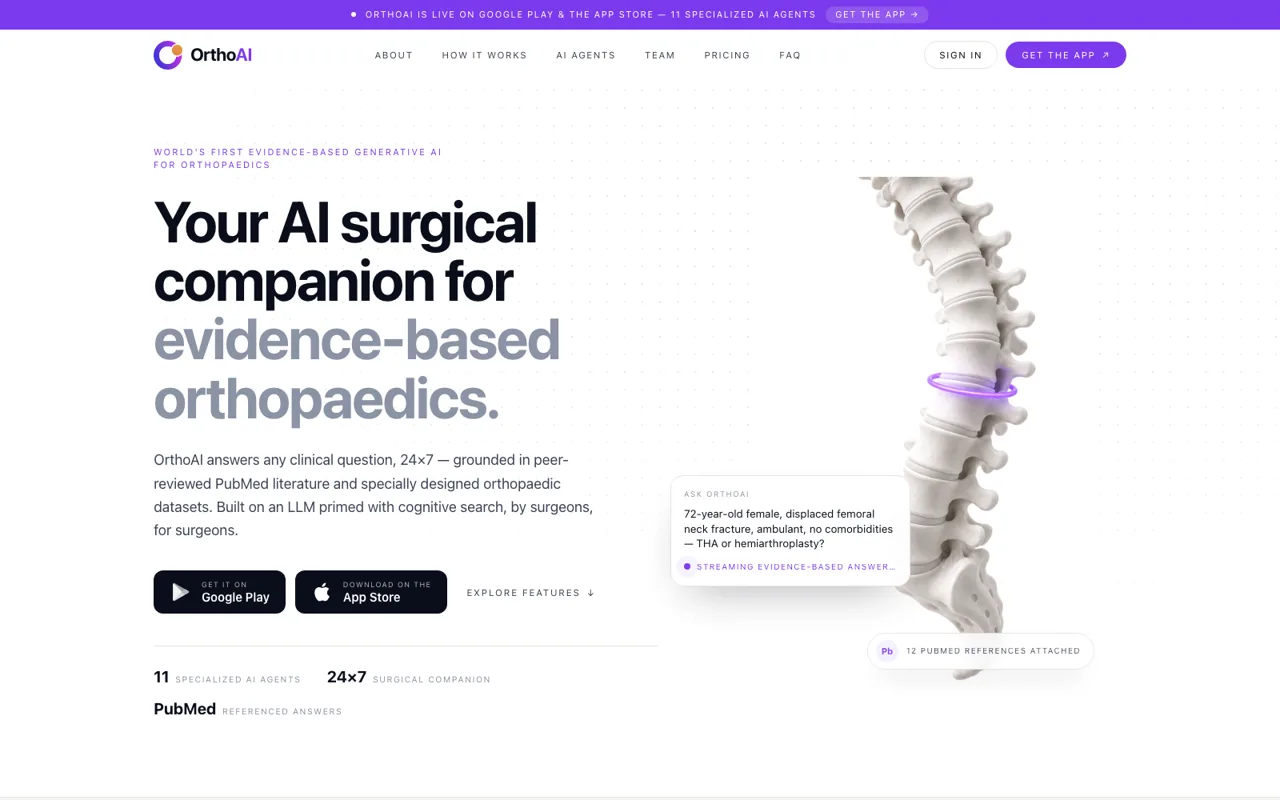
OrthoAI is an AI surgical companion for evidence-based orthopaedics, built by Script Lanes for AIMD — the clinical AI company founded by senior Indian orthopaedic surgeons. It answers clinical questions around the clock, and every answer cites real literature. Live on the web, on iOS and on Android since December 2025.
OrthoAI
AIMD · Clinical decision support


Scope
Product build · Web
iOS & Android · Backend
In production
Live since December 2025
One backend, five products
Stack
TypeScript · Next.js · Expo
Postgres · Prisma · Qdrant
LangChain · SSE streaming
Client
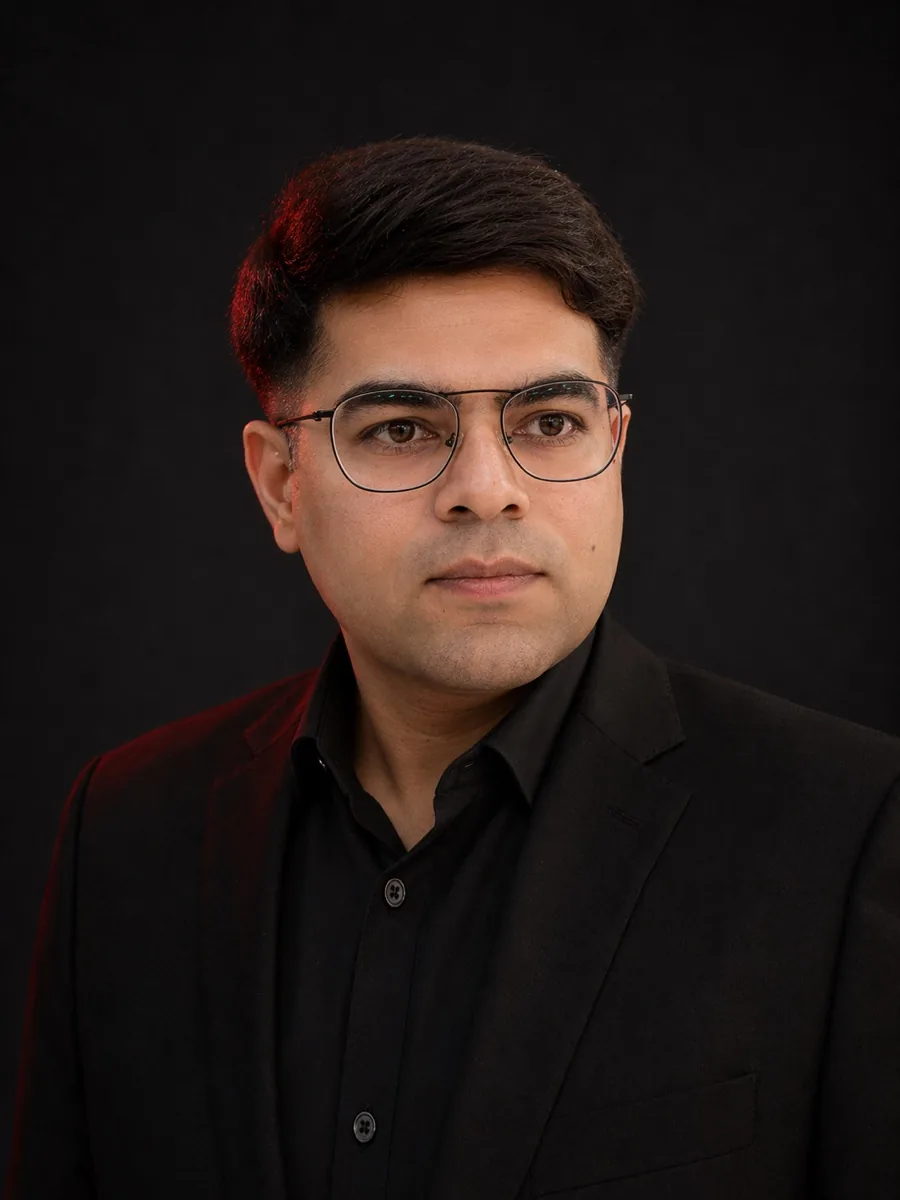
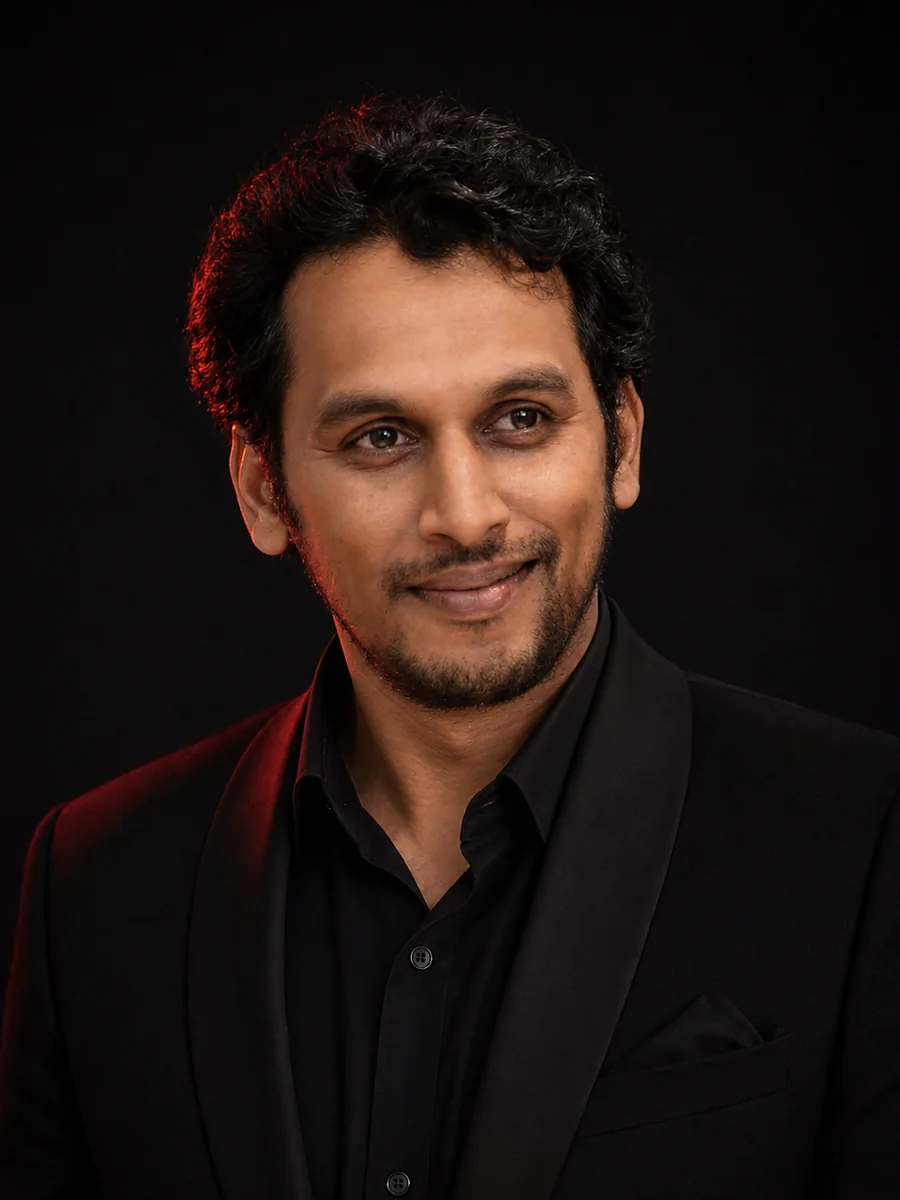
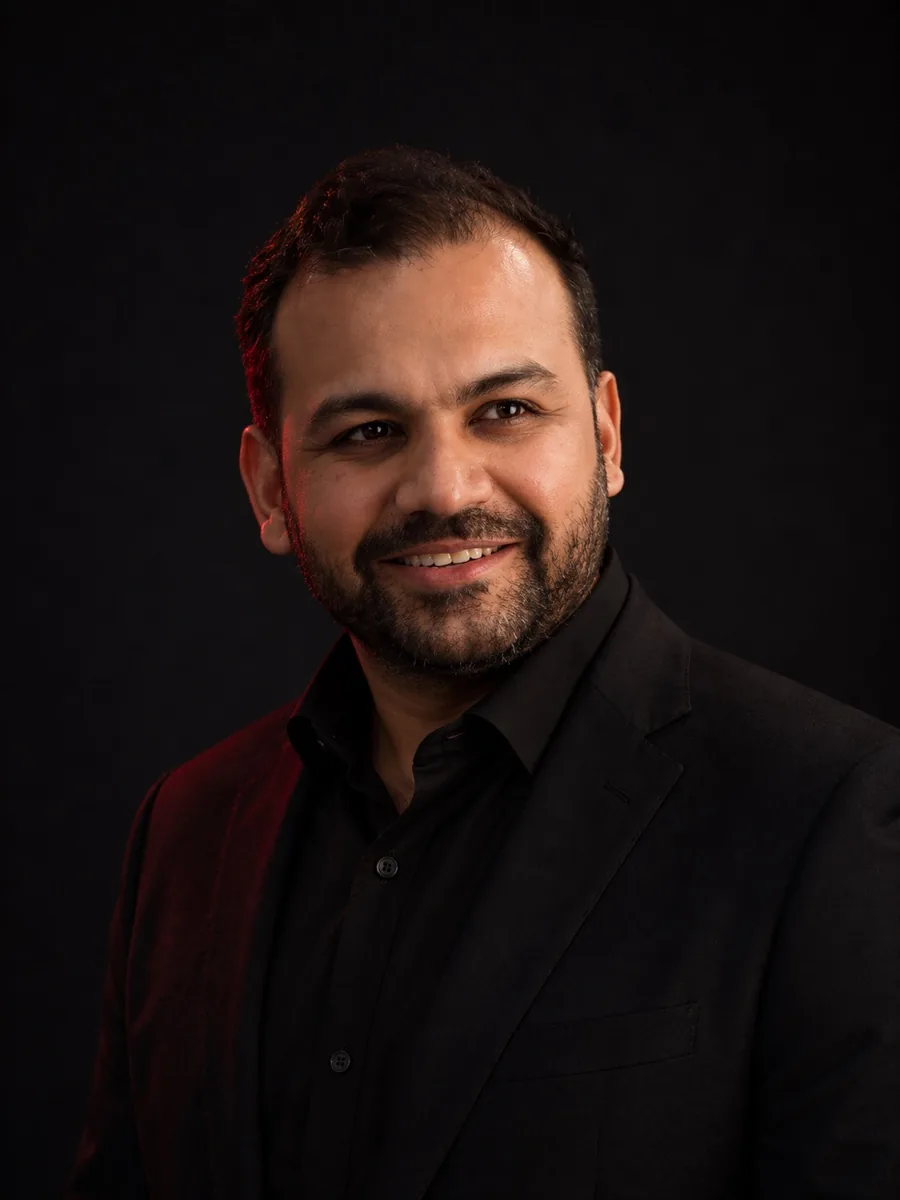
AIMD, Mumbai — founded by
Dr Parag Sancheti, Dr Ashok Shyam,
Dr Neeraj Bijlani, Dr Vaibhav Bagaria
The brief
Build an AI that argues from the literature — not from vibes.
AIMD is a clinical AI company in Mumbai, founded by senior orthopaedic surgeons — Dr Parag Sancheti, Dr Ashok Shyam, Dr Neeraj Bijlani and Dr Vaibhav Bagaria. Their brief was short. Surgeons have questions at odd hours. They want an answer that names its sources, because in medicine an answer without a citation is worth nothing.
Script Lanes is the technology team. We built the whole platform — the retrieval, the evidence checking, the web app, the mobile apps, the payments and the admin. Work started in September 2025. OrthoAI was on the App Store and the Play Store by December.
The stakes
A made-up citation is worse than no answer at all.
Ask a general chatbot a clinical question and it answers with confidence. Sometimes it invents the paper it is quoting — a real-sounding title, plausible authors, a journal that exists. A clinician cannot tell the difference without going and looking it up, and in a clinic nobody has time to go and look.
So OrthoAI is built the other way round. The answer is assembled from literature the system has actually retrieved, and every reference on the screen is checked against the source database before it is drawn. If a paper cannot be verified, it is not shown.
The build
Nine specialists. One evidence pipeline.
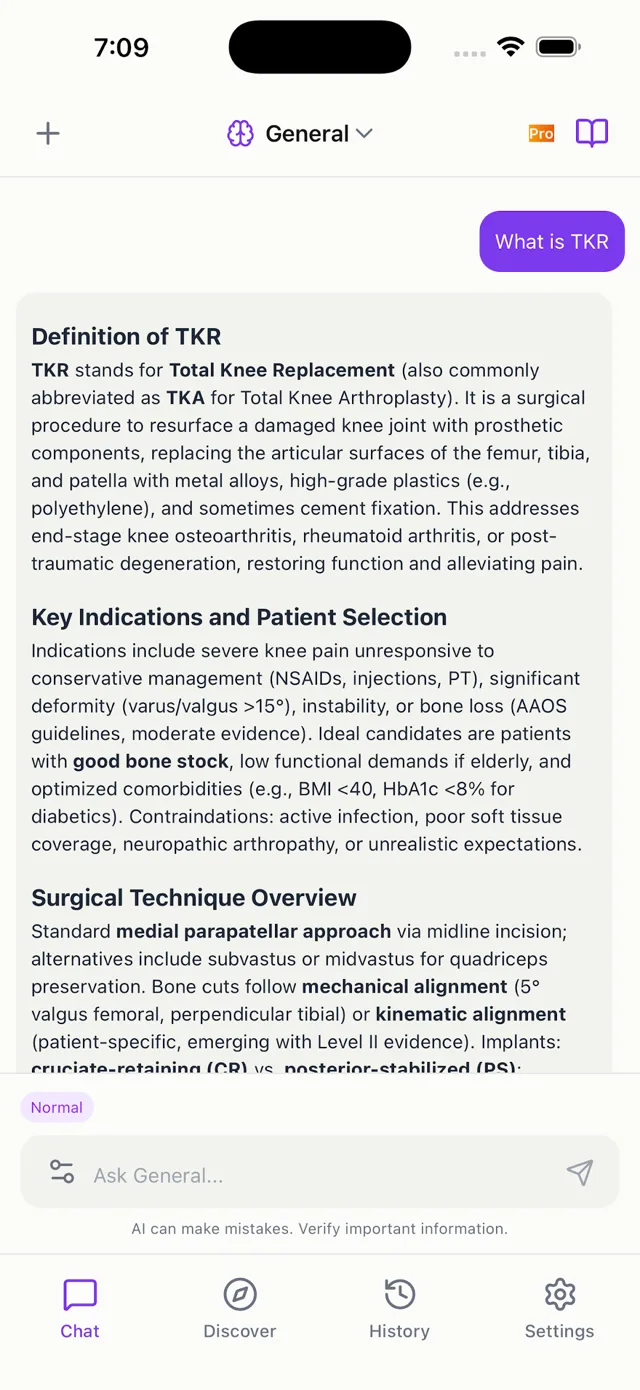
A spine question and a trauma question are not the same question, so OrthoAI runs nine specialty-tuned agents — spine, trauma, arthroscopy, shoulder, hand and more. They all draw on the same retrieval and the same citation checks. Different specialists, one standard of proof.
Web app
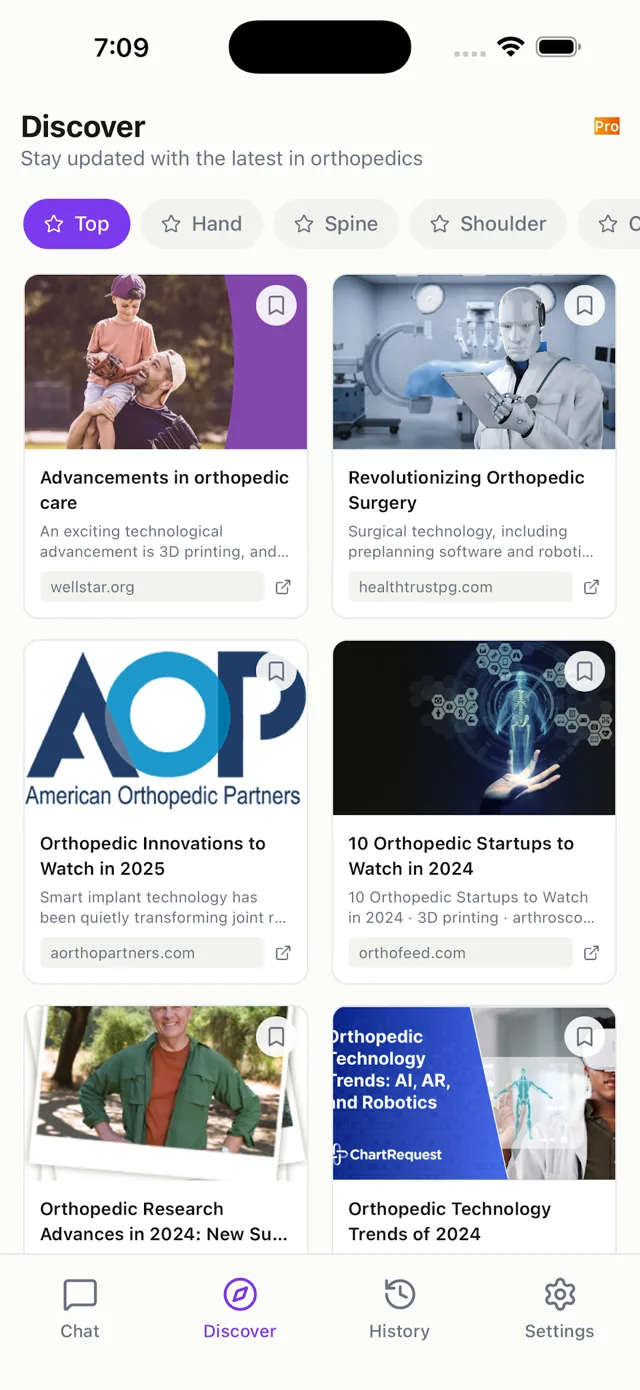
Streaming chat at app.orthoai.in, with Discover, PubMed search, and formal, concise or teaching response styles.
iOS & Android app
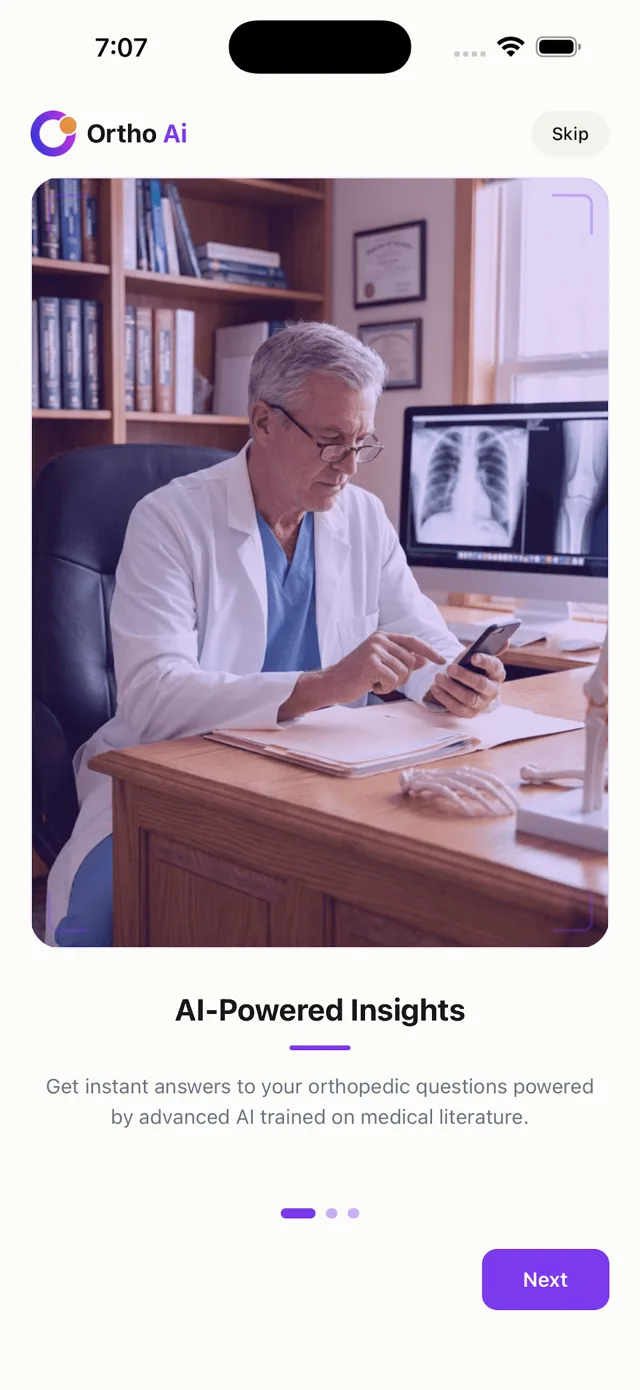
One Expo codebase, live on the App Store and Play Store since December 2025.
Specialist agents
Nine agents tuned by sub-specialty — spine, trauma, arthroscopy, shoulder, hand and more.
Imaging & lab reports
X-ray, MRI and CT intake plus lab-report analysis, read and explained in the same conversation.
Vaani voice avatar
A voice AI avatar that takes an orthopaedic question out loud and answers out loud.
Admin dashboard
Users, subscriptions and usage metrics for the team running the product.
Three corpora, one search.
Retrieval runs over a Qdrant vector database holding three bodies of evidence: PubMed title embeddings, the subtitles of OrthoTV's surgical lectures, and the WIROC 2025 conference corpus. Scheduled sync jobs keep all three fresh. A surgeon's lecture is searchable right next to the paper it argues with.
The citation gate.
A separate evidence pipeline searches only pubmed.ncbi.nlm.nih.gov, then verifies every paper it finds against NCBI's own efetch API before it is allowed to become a reference card. The card carries NCBI's title, abstract and authors — not the model's. A fabricated citation cannot reach the screen.
Reports are a first-class screen.
Imaging-report analysis takes X-ray, MRI and CT intake; lab-report analysis takes bloodwork. Both sit in the app as their own screens rather than hiding behind a file-upload button in a chat box.
Guest mode, because Apple asks.
Apple requires an app to be usable without an account. Guest mode gives ten free messages with no sign-up, so a curious surgeon can test the thing on the ward before deciding whether to register — and the reviewer can too.
The platform
Five products, one codebase.
OrthoAI is AIMD's flagship, but it is not alone. One Express and TypeScript backend — 48 database models, around 120 endpoints — serves OrthoAI and four sister specialty products. A fix made once is a fix made everywhere.
The product is resolved per request.
Every request tells the backend which specialty product it belongs to, and the answer is looked up in the database rather than compiled in. Adding a specialty is a row and a configuration, not a fork.
Two payment rails, one subscription.
Apple's in-app purchases and Razorpay are unified server-side, so a subscriber is a subscriber whichever door they came through. Webhook-idempotency tables mean a retried or duplicated callback cannot grant the same month twice.
Boring, well-trodden, in production.
TypeScript · Node · Express · Next.js · Expo · Postgres · Prisma · Qdrant · LangChain · SSE streaming · Razorpay · Apple IAP. No tools picked because they look good in a tweet.
What it adds up to
First commit in September. On two app stores by December.
Around 310 commits across nine repositories took OrthoAI from an empty folder to a product surgeons carry in their pocket — and the same team keeps shipping into it.
Specialist agents on OrthoAI
Database models, one schema
Medical corpora, kept in sync
Specialty products on this backend
Want yours shipped like this?
Tell us what you have in mind. Within 48 hours you'll hear back with an honest plan, clear pricing, and friendly, straight answers.
Start a projectStart a project