
Case study — Ticketalay · Live events
Seven apps, one ticket.
Ticketalay is a booking platform for Marathi natak, built from scratch by Script Lanes and selling tickets since early 2024 — on the web and in iOS and Android apps, in English and in Marathi. What started with theatre now books cinema and open-seating shows across Maharashtra.





Ticketalay
PAC Theatre Entertainment · Live events


Scope
Product design · Seven apps
Backend · DevOps
In production
Since early 2024
~7,700 commits and counting
Stack
TypeScript · Node
Next.js · React
Flutter · Expo
Postgres · Prisma · Razorpay
Market
Pune · Mumbai · Nashik
Expanding across Maharashtra
The brief
Build the booking platform Marathi theatre never had — from scratch.
PAC Theatre Entertainment came to us with a simple brief: give Marathi natak a booking home of its own — not a corner of someone else's movie site. A place where the audience finds a show, picks a seat, pays, and gets the ticket on WhatsApp.
Script Lanes designed and built the whole platform from the first commit in December 2023 — the customer apps, the seat maps, the payments, and every tool behind the counter. The first tickets sold in early 2024, and it has been selling ever since.
The market
Indian live events run on plays, not just pop-stars.
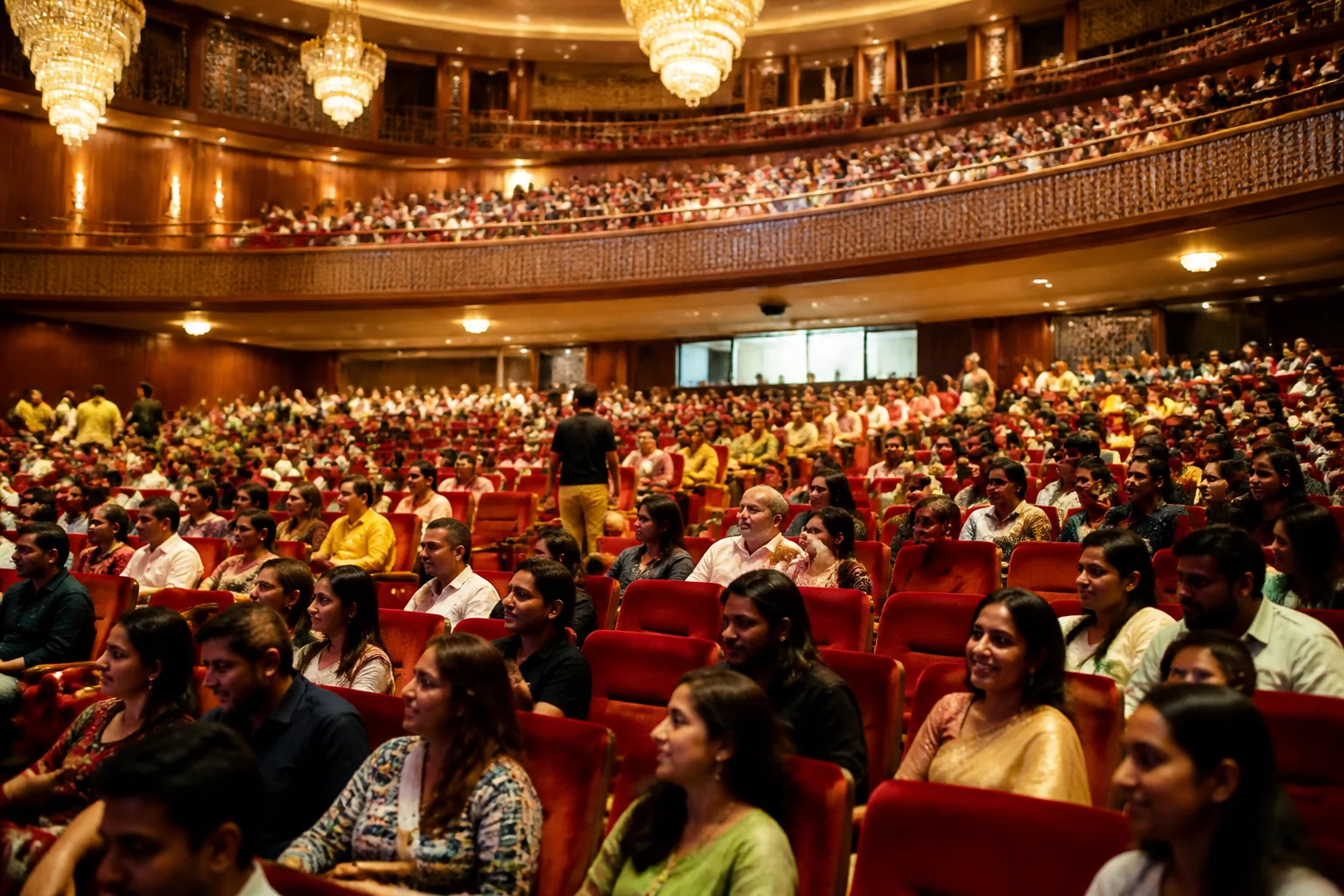
Marathi natak is a touring business. The same play visits Pune, Mumbai, and Nashik for years, sold out by the regulars who follow it. Bookings spike after dinner, run on 4G, and end with a QR code held up at the gate.
The platforms built for pop concerts and multiplexes don't fit this rhythm — and none of them speak Marathi. Ticketalay was built for the floor of a 700-seat natyagruha, in the audience's own language.
The build
Seven apps. One source of truth.
The audience, theatre owners, accountants, marketers, and the operations team each need different tools, so each got their own app — seven in all, every one reading the same Prisma schema. Independent apps, shared truth. One team can move fast without breaking another team's screens.
Customer storefront
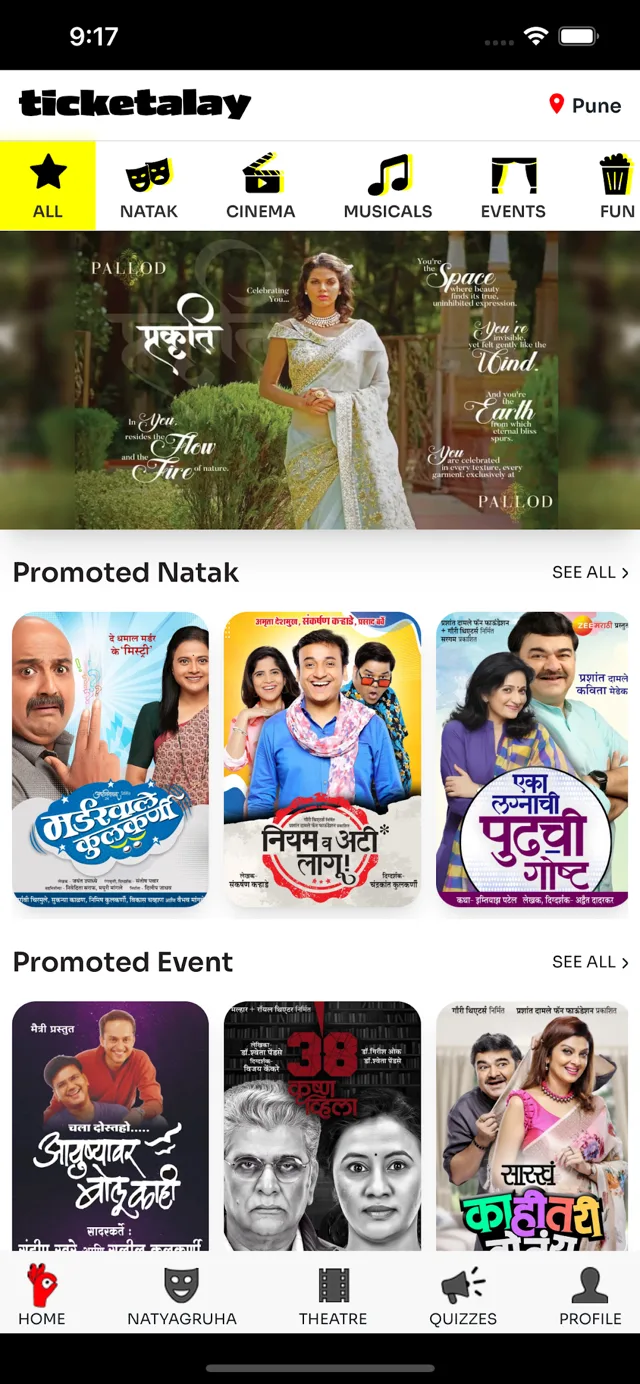
Booking on the web and in mobile apps on the App Store and Play Store — English and Marathi throughout.
Gate scanner
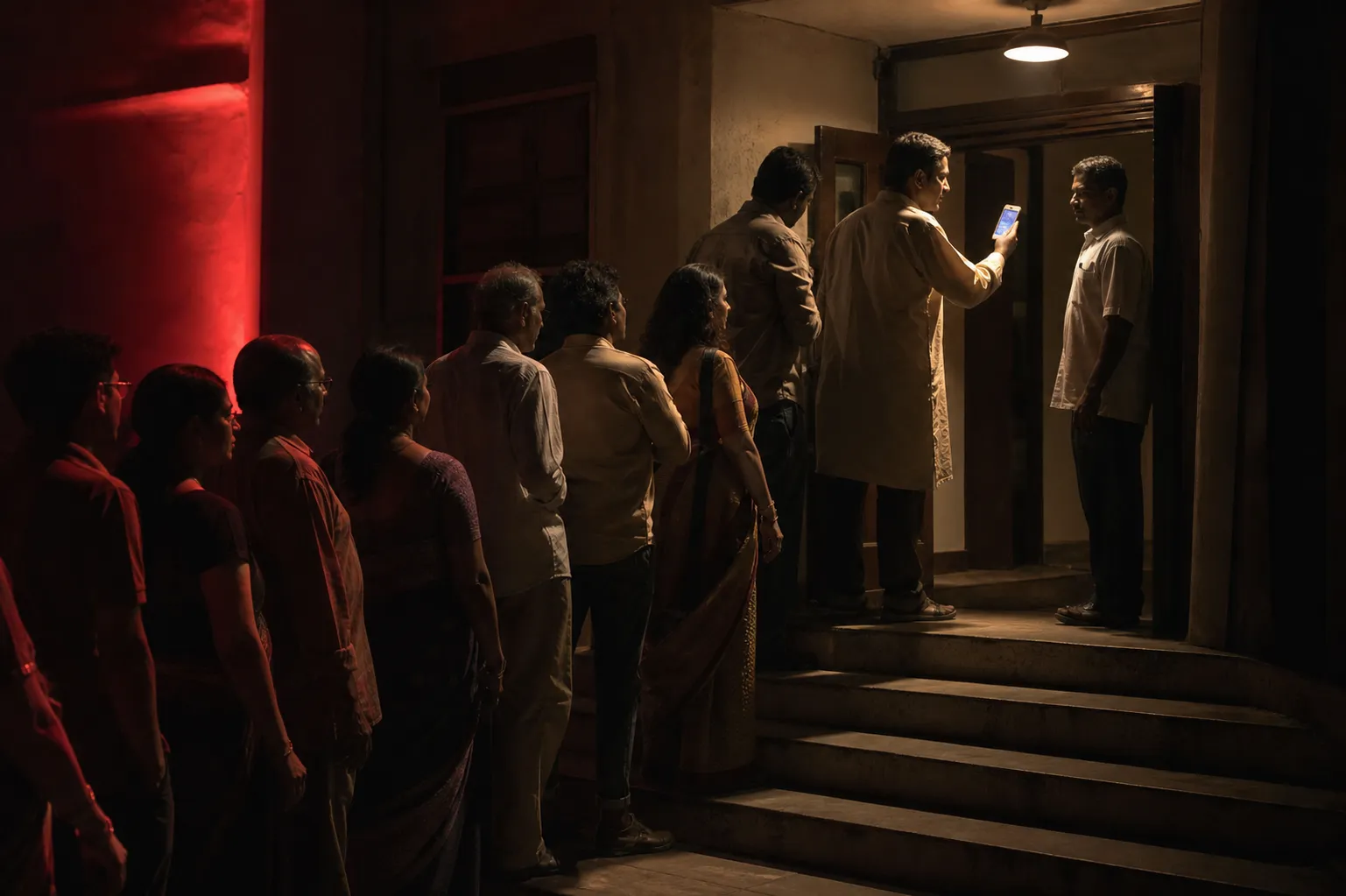
Staff enter a per-show PIN and scan ticket QR codes at the door — valid, already scanned, or expired.
Super admin
Events, slots, seat layouts, cities, coupons, and push notifications — the operations cockpit.
Producer portal
Theatre owners pull their own show and sales reports, and export them to Excel.
Accountant
Sales, settlements, and GST-ready reports that agree with the bank.
Marketing dashboard
Campaign links and QR codes, with clicks and bookings tracked per marketer.
Seat maps drawn from the venue's own chart.
Most halls hand over a spreadsheet or a printed seating chart. A converter we built turns it into the interactive seat map customers pinch and zoom on their phone — rows, aisles, and stage included.
A booking flow that survives 9 PM.
The audience books in a spike after dinner, on mobile data. The storefront is built for that moment — fast pages, seat holds a scheduler releases every minute, payment on Razorpay, confirmation on WhatsApp.
And it lives in your pocket.
The same platform ships as a mobile app — Ticketalay on the App Store and on the Play Store, live since March 2024. Firebase push notifications let a producer announce a new show straight to the audience's lock screen, and Crashlytics tells us about a crash before anyone writes in.
Then came the movies.
In 2026 Ticketalay grew from natak into cinema. Cinema chains run on SOAP systems from another era, so we built a bridge service that syncs shows, blocks seats with a strict 30-second timeout, and relays payment confirmations between the two worlds — logging every call for the day something disagrees.




We interviewed eleven shops. We chose Script Lanes because they argued with us — in the right places. Three years in, they still do.
Reliability
The platform checks itself before anyone has to.
A booking platform earns trust in its worst five minutes, not its best. Ten scheduled jobs run around the clock so that late payment notifications, odd curtain times, and seven different apps never turn into a phone call.
Razorpay reconciliation.
When a payment confirmation goes missing, a scheduler asks Razorpay for the truth every five minutes and restores the paid booking. A second job reconciles refunds every night. Customers don't have to call, and nobody babysits a dashboard.
Event-aware booking cutoffs.
A cinema show closes booking 30 minutes before start; a natak, 60. A scheduler runs every minute, checks the event type, and flips each show's status at the right moment — nobody has to remember.
Boring, well-trodden, in production.
TypeScript · Next.js · React · Flutter · Expo · Node · Express · Postgres · Prisma · Razorpay · AWS S3 · Tailwind · Radix UI · Docker · PM2. No tools picked because they look good in a tweet.
What it does, every day
Selling tickets since early 2024. Still shipping every month.
From the first natak ticket to cinema bookings today — the same team and the same codebase, growing month after month. That is the result we want to be measured by.
Months live — and counting
Commits across ten repositories
Kinds of booking data, one schema
Schedulers watching the platform
Want yours shipped like this?
Tell us what you have in mind. Within 48 hours you'll hear back with an honest plan, clear pricing, and friendly, straight answers.
Start a projectStart a project