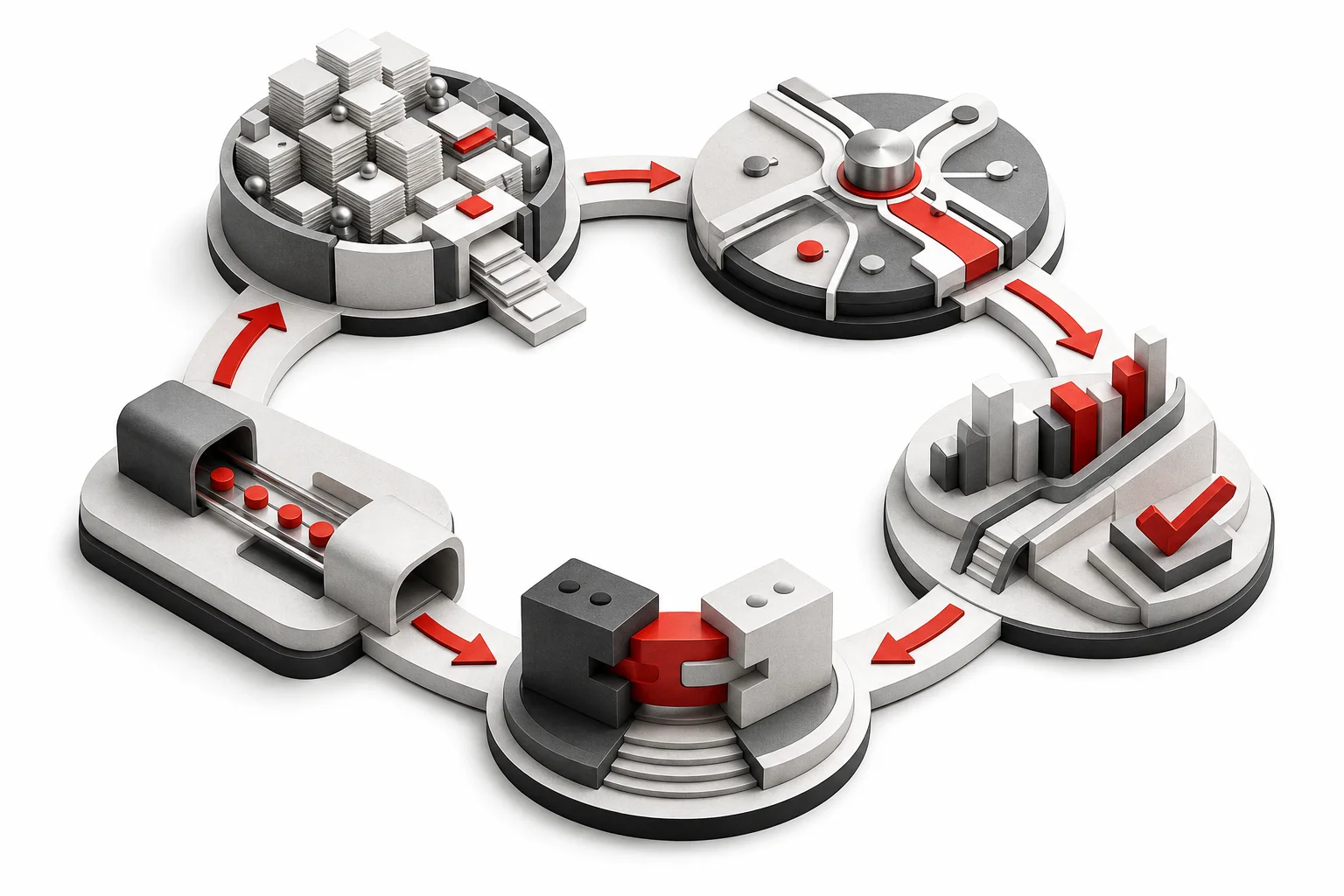
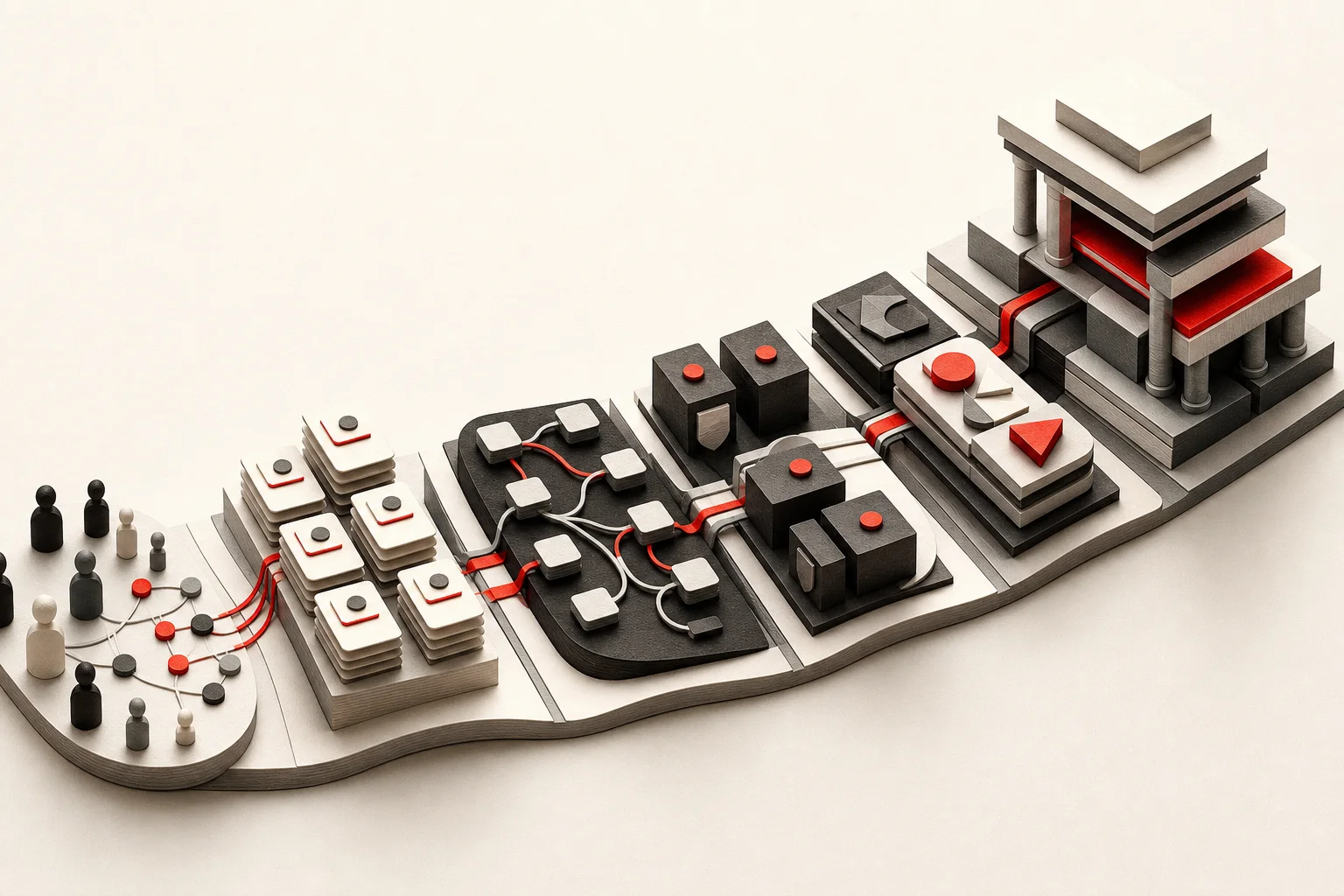

The longer a product lives, the more valuable context becomes. A team that understands why decisions were made can move faster than a new team that has to rediscover the business through tickets.
Long partnerships work when what the team knows turns into better decisions, not complacency.
Context compounds
In the first few weeks, a development team learns the product. Over months, it learns the exceptions, customers, internal politics, integrations and reasons behind strange-looking decisions.
That saves everyone from rediscovering the same things twice. It also makes pushback more useful, because the team knows what the business is trying to protect.
Trust should increase honesty
Long relationships are not valuable because everyone becomes agreeable. They are valuable when trust makes difficult conversations easier: this scope is too large, this deadline needs a trade-off, this feature is not worth building, this architecture has reached its limit.
A partner who only says yes is easier to replace than one who helps you decide.

Keep proving progress
Familiarity can become dangerous if it replaces accountability. Weekly demos, visible priorities, clear releases and measurable outcomes matter just as much in year three as month three.
Trust should reduce bureaucracy, not evidence.
Refresh the architecture as the business changes
The product that served the first 1,000 users may not fit the next stage. Every so often a long-term team should go back over the data model, infrastructure, security, monitoring, mobile release process and technical debt, and judge them against where the business is now.
Staying together should make change easier, not make the original architecture sacred.
Keep bringing new thinking
A long-term partner still needs curiosity. New frameworks, new AI capabilities, platform changes and better ways of working are worth testing when they would make a real difference.
The relationship goes stale when the team repeats last year’s solution because it is comfortable.
Continuity matters during incidents and launches
The people who already know why the system behaves oddly fix problems faster than a support team reading the documentation for the first time.
That is one reason we keep dedicated teams on a product and stay involved after launch, instead of treating delivery as a handover at the finish line.
A partnership is earned repeatedly
Clients stay with us for 4.2 years on average. That number only matters if the years add up to something: better context, faster decisions, stronger systems and less relearning.
The goal is not a long contract. It is a relationship that keeps earning the next sprint.