
Why small product teams often ship faster than large ones.


More people can increase capacity. They can also increase meetings, handoffs and the number of people required to answer a question. Small teams win when ownership stays close to the work.
Headcount is not throughput
If ten developers were twice as fast as five, software planning would be much easier. Real product work does not scale that neatly. People need context, decisions, reviews and coordination. Every new handoff is another place where the intent gets thinner.
That does not mean large teams are bad. Large products need them. It means we should stop treating headcount as a direct proxy for delivery speed.
Small teams keep the problem in one room
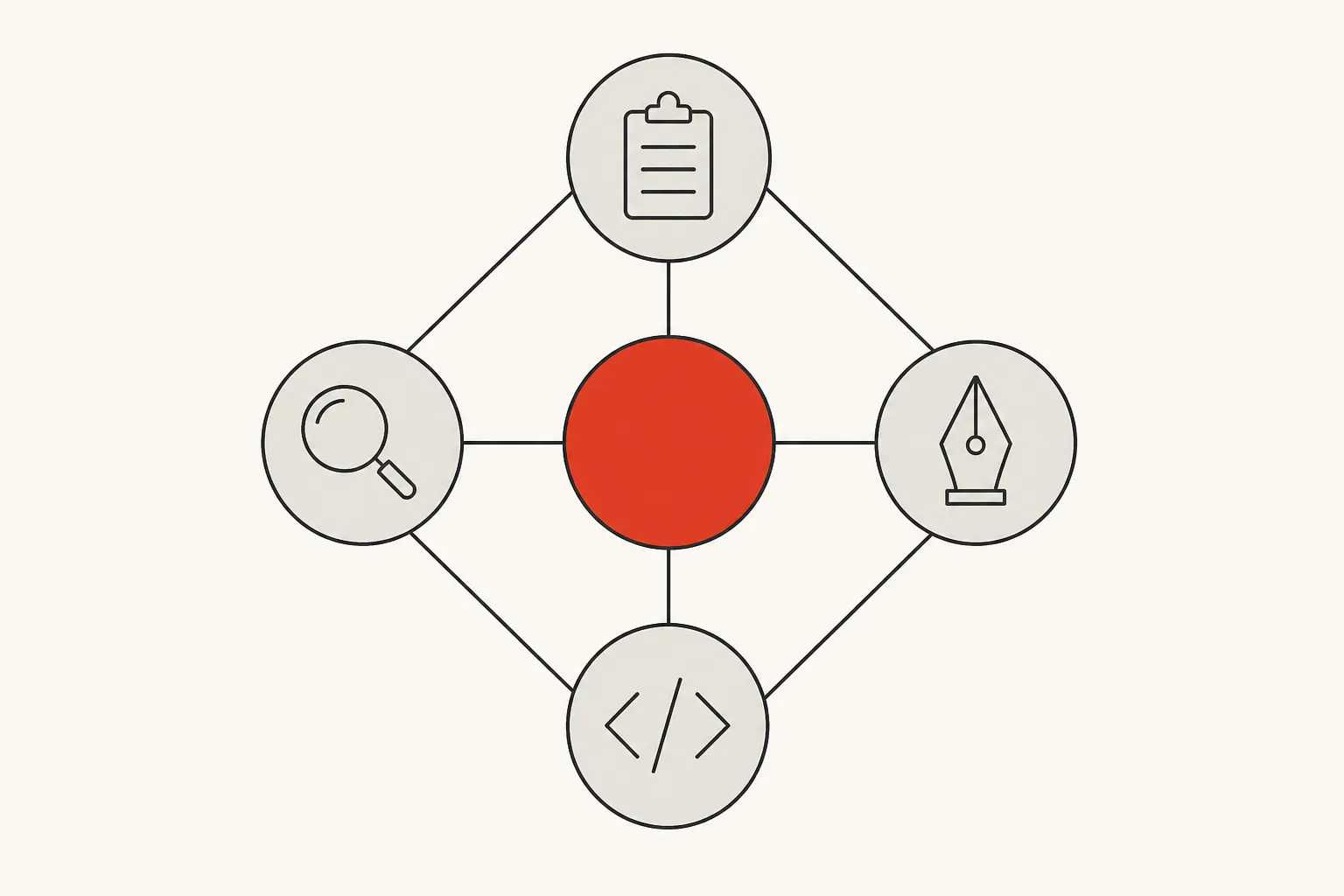
A compact product team can hold product ownership, design, engineering and QA. It is still small enough that everyone understands the main user journey.
At Script Lanes we often work in dedicated teams of four to six people. That size is not magic, but it creates useful pressure: fewer layers, clearer ownership and less room for ‘I thought someone else had that.’
Without ownership, a small team is just understaffed. With ownership, it can be remarkably fast.
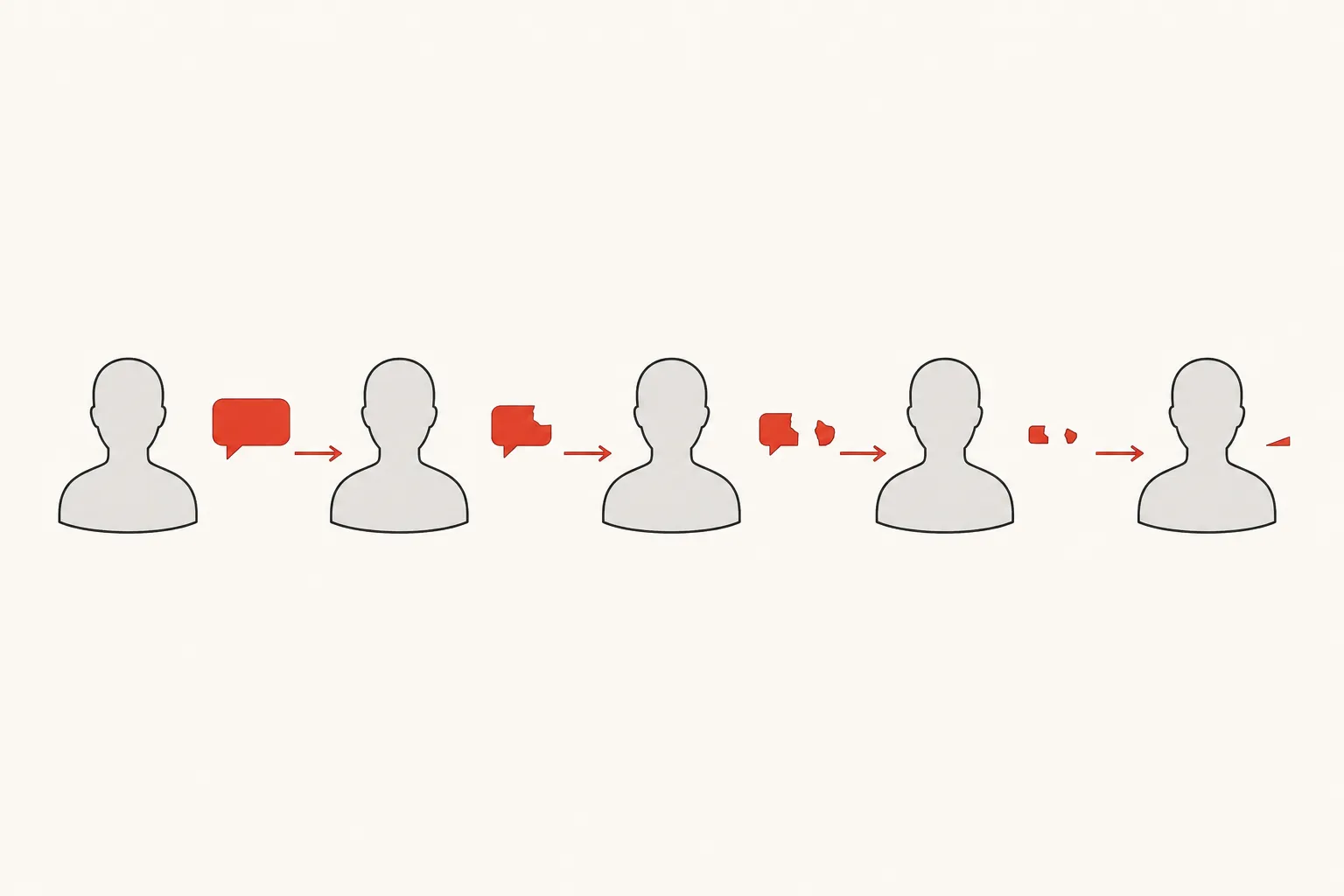
Fewer handoffs means less translation
When the person who hears the requirement sits several steps away from the person who builds it, every step is a translation. Context compresses. Edge cases disappear. Confidence increases for mysterious reasons.
Direct access does not mean every client interrupts every engineer all day. It means the team has a short path from question to decision.
Small teams make unfinished work visible
Large projects can hide partial work across many streams. Small teams feel blocked work immediately. If the API is not ready, the mobile developer knows. If UX is unresolved, QA knows. That discomfort is healthy because it pushes decisions forward.
A small team cannot manufacture progress by moving cards between departments. Eventually the demo has to work.
The condition: real ownership
A small team only works if members own outcomes rather than narrow job descriptions. Engineers need permission to question requirements. QA should influence acceptance criteria before the last week. Designers should understand technical constraints. The project lead should resolve ambiguity instead of forwarding messages.
Without ownership, a small team is just understaffed. With ownership, it can be remarkably fast.
When bigger is necessary
There are times to add people:
When more people genuinely help
- Several independent parts of the product
- Major migration programmes
- Parallel integrations
- Support obligations
- Genuinely separable workstreams
The key word is separable.
Adding three people to the same confused problem rarely creates clarity. It usually creates a larger meeting about the confused problem.
Start small, split when the work earns it
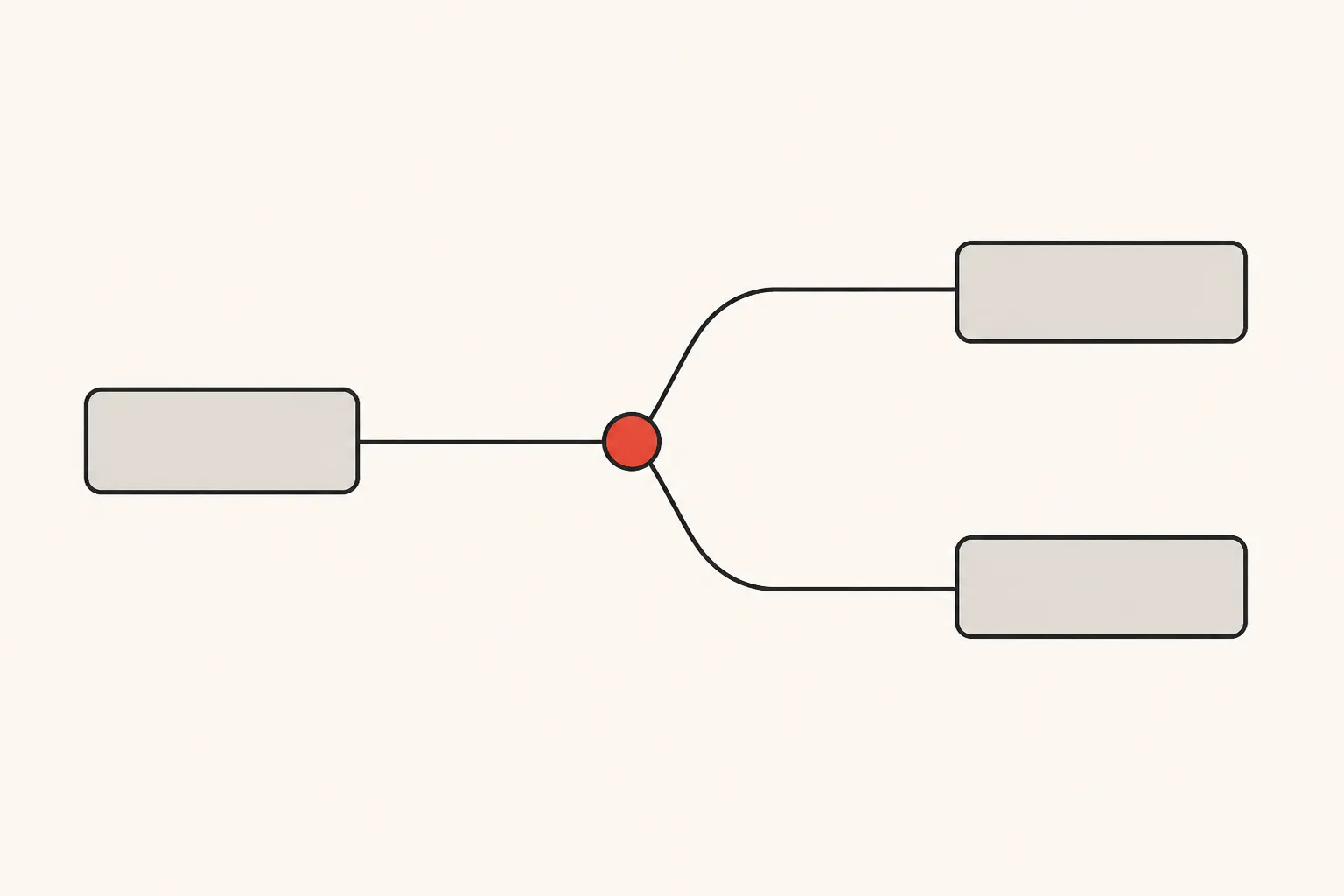
Our preference is to begin with one accountable product team and make the main flow work. We split into more streams only when the system and the roadmap justify it.
The question is not ‘How many people can we put on this?’ It is ‘What is the smallest team that can own this end to end?’
Found this useful? Build with us.
Tell us what you have in mind. Within 48 hours you'll hear back with an honest plan, clear pricing, and friendly, straight answers.
Start a projectStart a project