
Weekly demos beat weekly status reports. Here’s why.
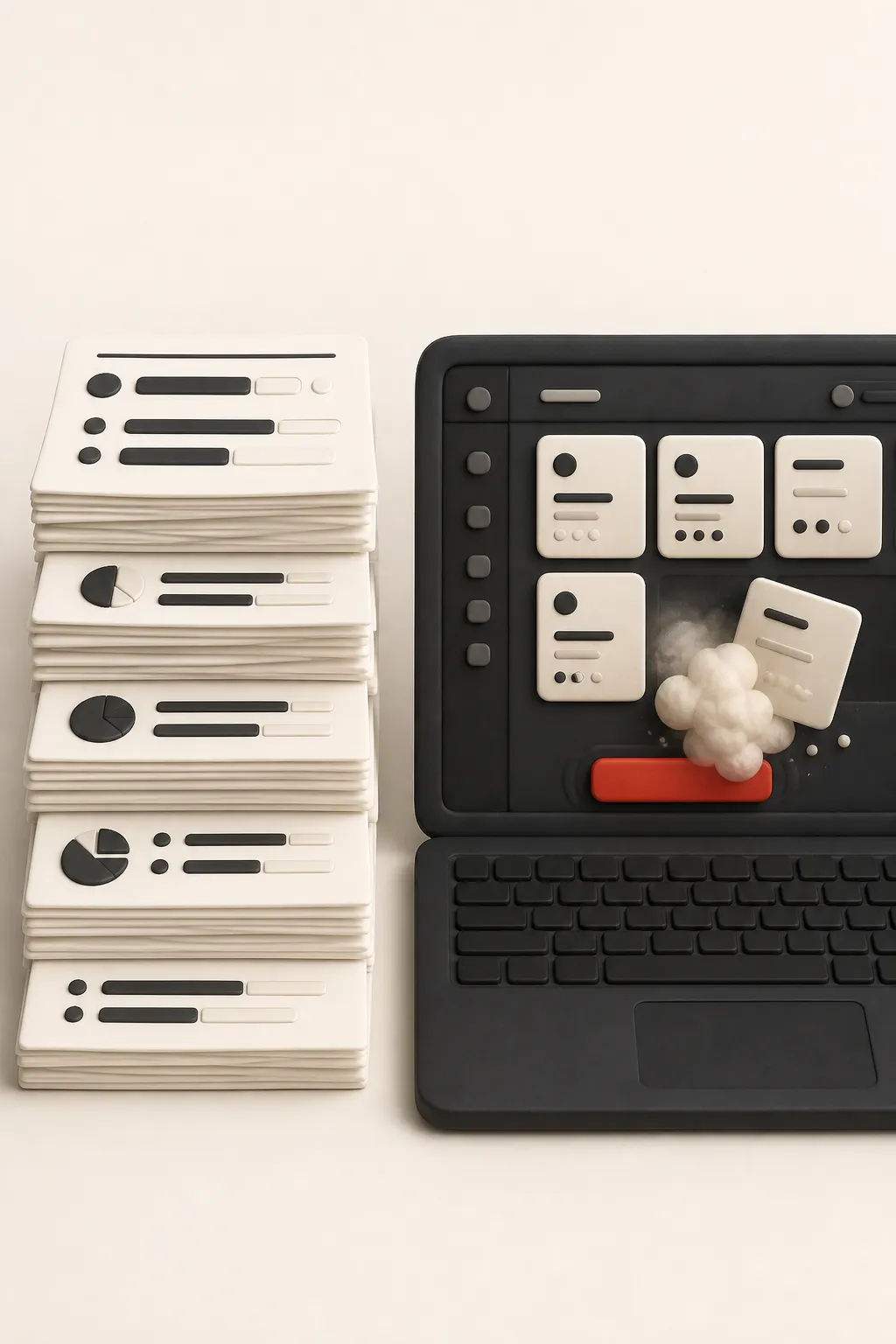

A status report can make unfinished software sound reassuring. A demo has the inconvenient habit of showing what is actually true.
Progress is easier to describe than to prove
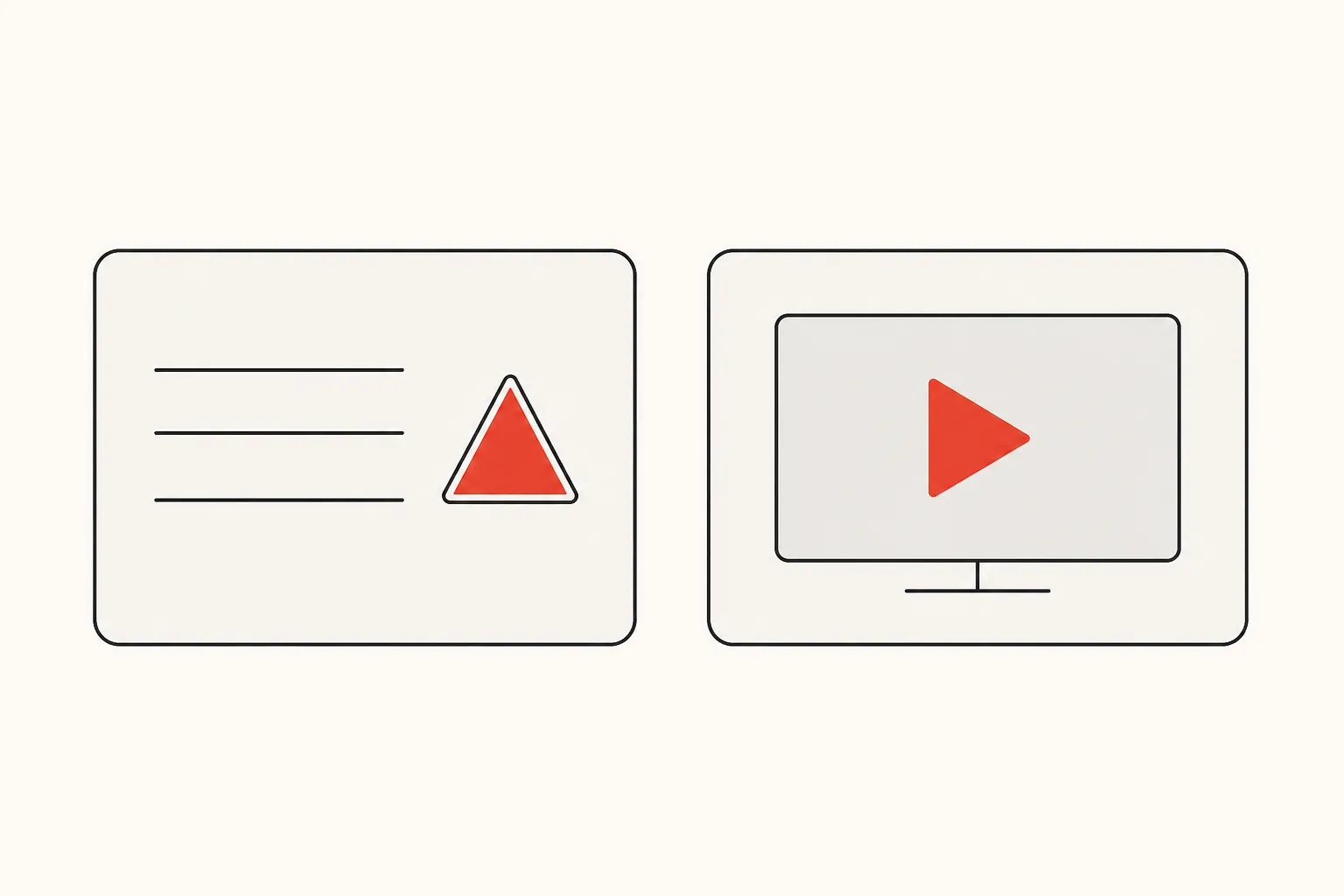
Software status reports are full of comforting numbers: login 90%, dashboard 75%, API 80%. They look precise. They also hide the question everyone actually cares about: can a user complete the flow?
A weekly demo changes the conversation. Instead of reporting that checkout is nearly complete, the team tries to buy something. Instead of saying a filter is implemented, someone uses it with real data.
Demos expose integration gaps early
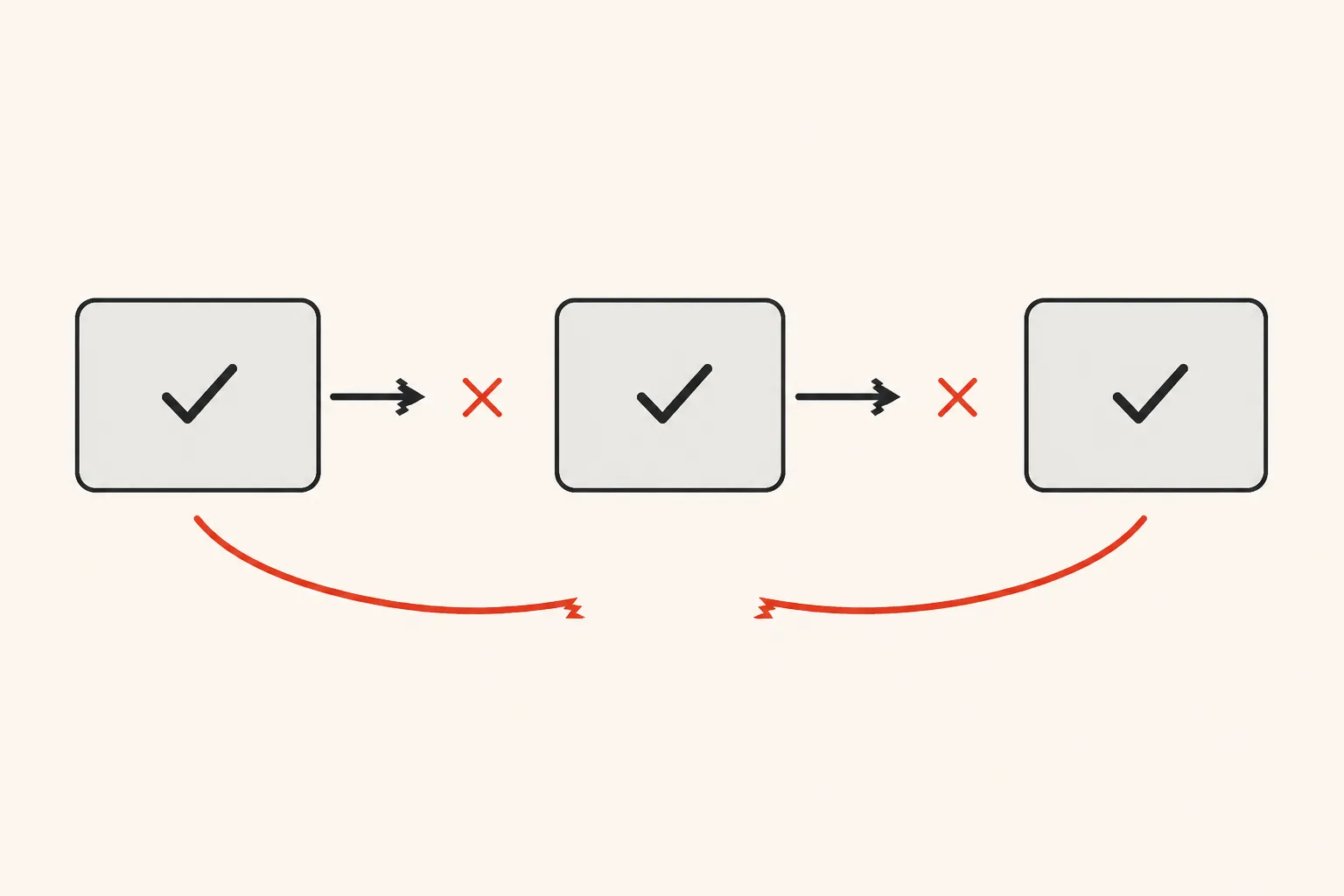
Individual components can each be ‘done’ while the product journey is broken. The frontend expects a field the API does not return. The payment succeeds but the confirmation job fails. The mobile app handles one permission state and not the other three.
A demo of the whole journey finds these gaps while there is still time to fix them quietly, instead of during launch week.
They shorten the feedback loop
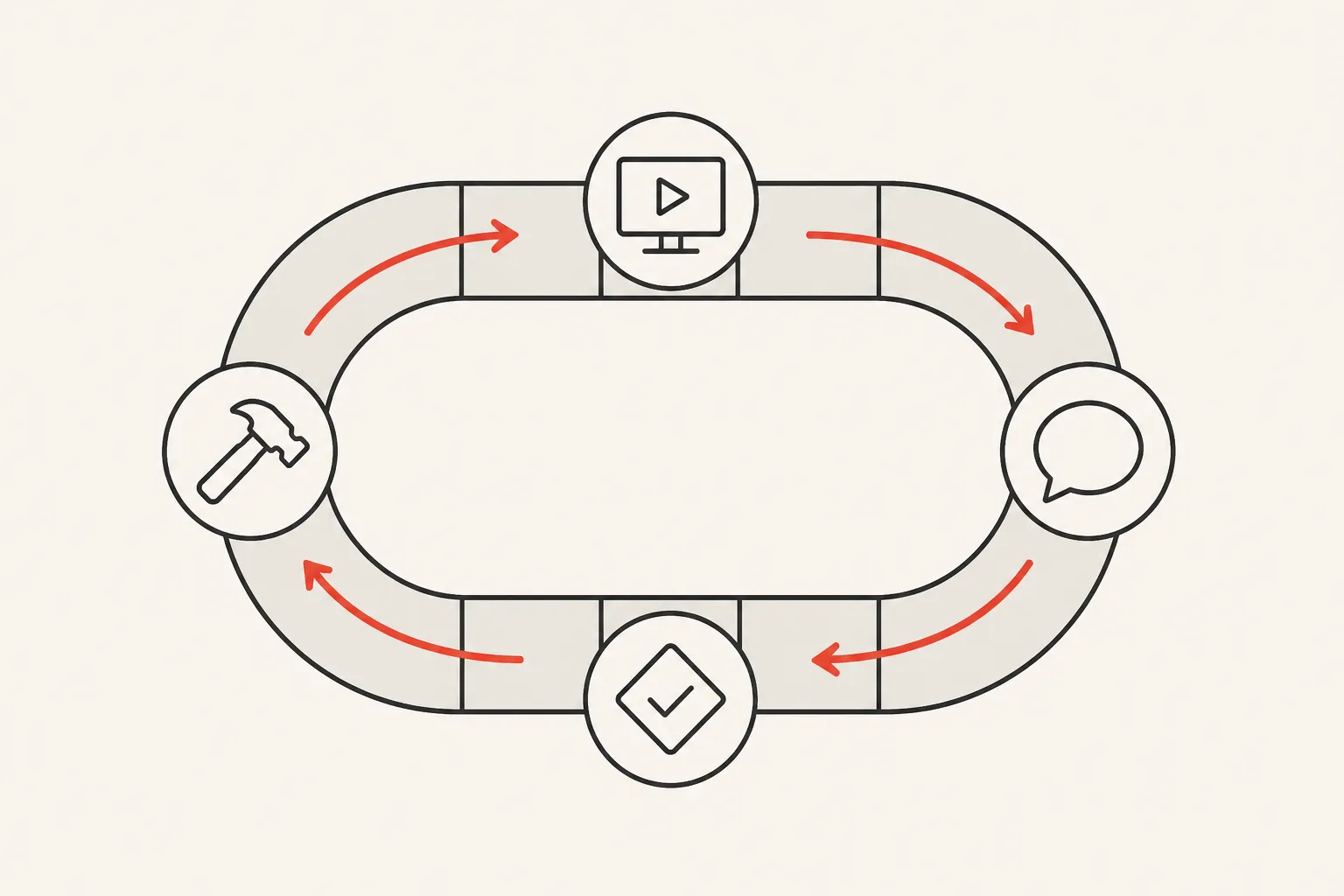
A design reviewed as a static mockup can feel obvious. The same design in working software may turn out to need three extra clicks and an awkward bit of keyboard work. Seeing the real thing changes the quality of the feedback.
Weekly demos mean the longest a wrong assumption can quietly survive is about a week. That is a useful limit.
A demo is not a performance
The unhealthy version of demo culture hides broken paths and rehearses only the perfect journey. That produces applause, not information.
We prefer demos that show what works, what is rough, what changed and what decision is needed. If something broke that morning, say so. The goal is shared reality.
Software should be demonstrated, not described.
Status still has a role
Stakeholders still need dates, risks, budgets and decisions. A written update is the right place for those. It should sit alongside working software, though, not stand in for it.
A useful weekly rhythm is simple: a short written summary for decisions and risks, plus a live product demo for progress.
Demos create better ownership
When the people building the product show it every week, they stay connected to the result. Engineers hear why a workflow matters. Designers see the trade-offs the build forced. Clients see what adding or cutting scope actually costs.
A chain of status documents rarely produces that shared context.
The rule
If a project can go several weeks without showing working software, ask why. Sometimes there is a good reason. Often the project has simply become more comfortable describing progress than testing it.
Found this useful? Build with us.
Tell us what you have in mind. Within 48 hours you'll hear back with an honest plan, clear pricing, and friendly, straight answers.
Start a projectStart a project