
The project manager is not a messenger between the client and the developers.


If project management is reduced to forwarding messages, the team has built a very expensive human webhook. Good project management creates clarity, decisions and momentum.
The human API gateway problem
A weak delivery process looks like this: client asks a question → PM forwards it to engineering → engineering replies → PM forwards it back. Nobody adds context. Nobody resolves ambiguity. The PM becomes a polite transport protocol.
That role is necessary in some organisations, but it is not project leadership.
A good PM protects the why
Requirements make more sense when the team understands the outcome behind them. ‘Add an export button’ may actually mean finance needs a weekly reconciliation file. Those are not the same problem.
A strong PM asks enough questions to hold on to the business reason. Then they help the team find the simplest thing that meets it.
Decisions are the product
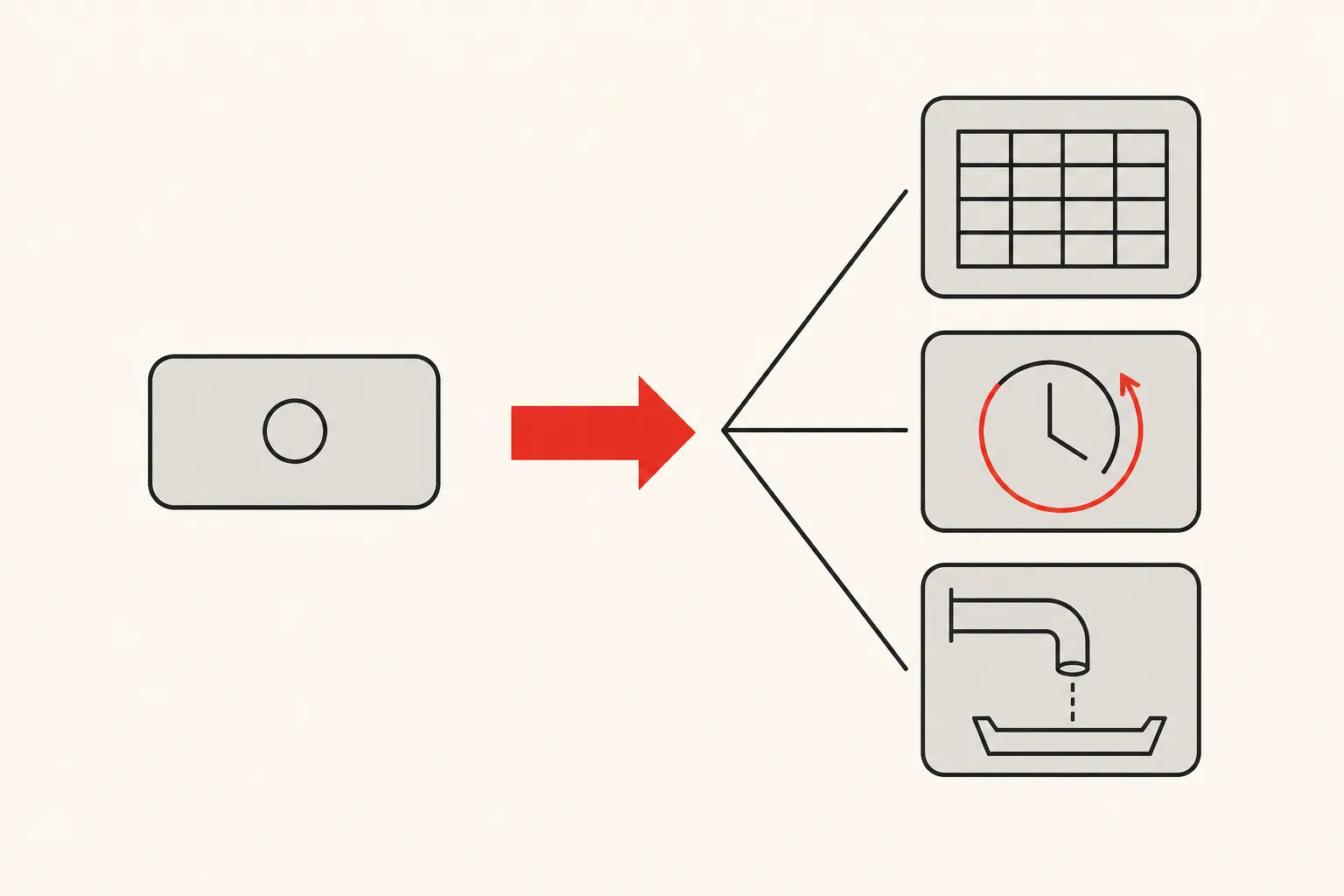
Projects slow down when nobody owns a decision.
Decisions that go unowned
- Which user role can approve?
- What happens when the external API fails?
- Is this feature in the first release?
- Who owns the copy?
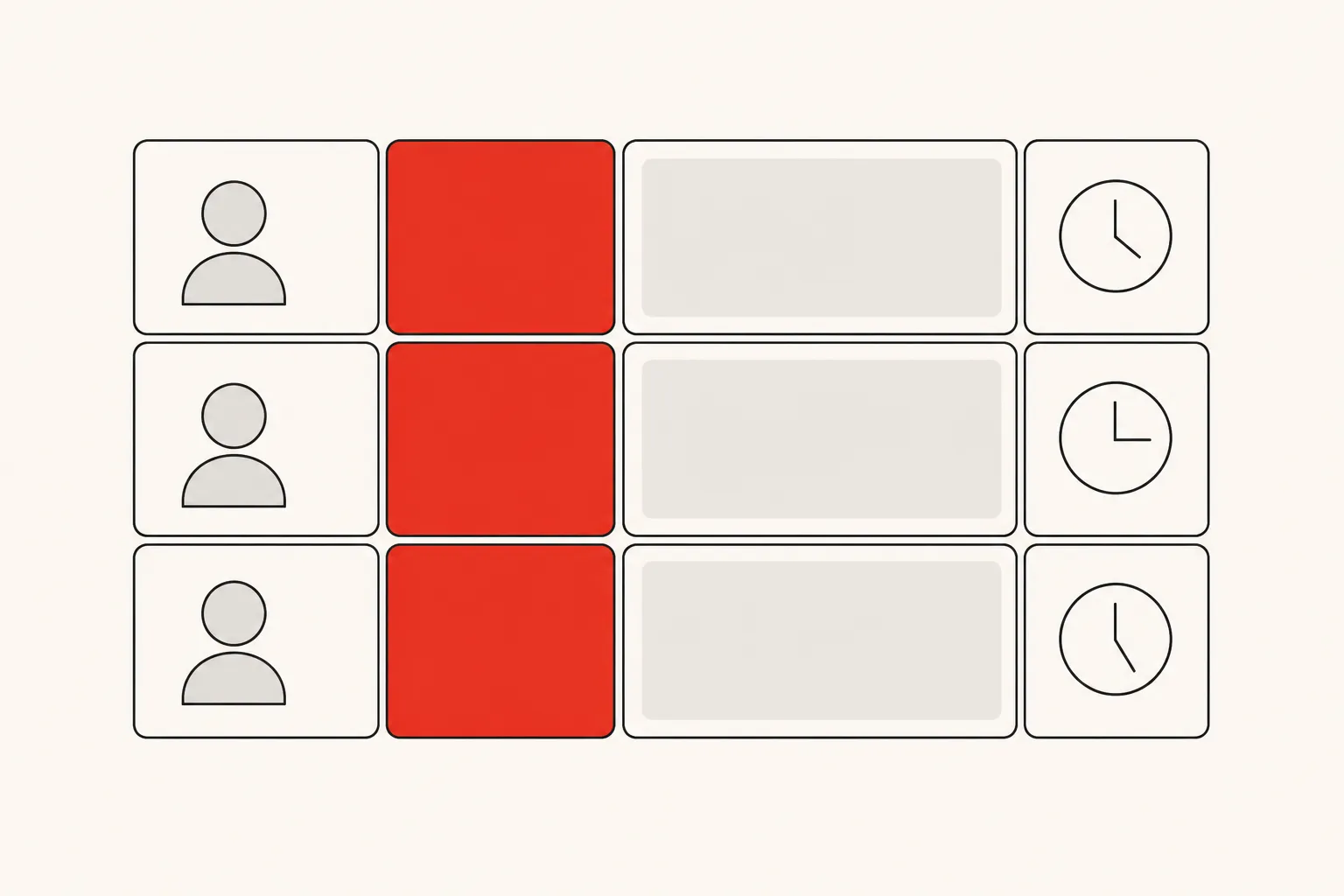
Good PMs put decisions on the board, give each one an owner and set a date when waiting starts to cost something. They do not personally make every call. They make sure every important decision gets made.
Translate constraints in both directions
Clients should not need to understand database transactions to know why a request is risky. Engineers should not need to attend every commercial meeting to understand why a launch date matters.
The PM translates consequences: ‘We can add this, but it moves QA by four days,’ or ‘This integration is uncertain, so we should test it before committing to the workflow.’
A project manager should reduce ambiguity, not just relay it.
Do not protect people from reality
Some project management cultures try to keep everyone happy by softening every problem. That usually delays the unpleasant conversation until it is more expensive.
Good PMs surface risk early, say when scope has changed, and tell engineers when quality is below the bar. Calm honesty beats cheerful surprise.
Own the rhythm
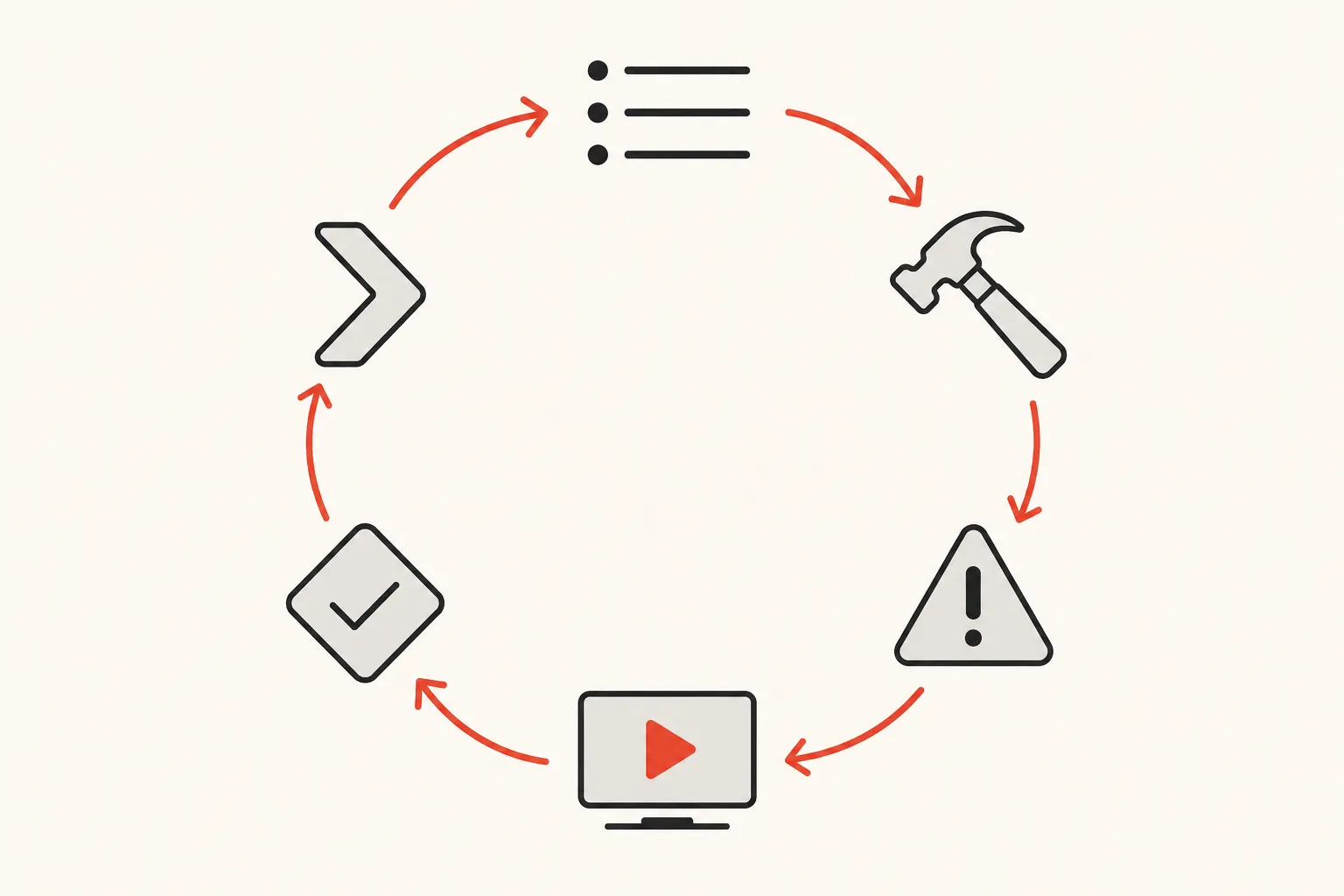
The PM sets the weekly rhythm. Priorities are clear, blockers are visible, demos happen, decisions get written down, and next week’s goals make sense to everyone.
The best project managers make the work feel less chaotic without making the process feel heavier.
The test
Ask what would happen if your PM disappeared for a week. If only message forwarding stops, you have a coordinator. If priorities, decisions, risk management and team rhythm stop, you have a project manager.
Found this useful? Build with us.
Tell us what you have in mind. Within 48 hours you'll hear back with an honest plan, clear pricing, and friendly, straight answers.
Start a projectStart a project