


Google Ads is moving beyond automation of individual campaign tasks. AI is increasingly the system that decides how searches are matched, which creative is shown, where users are sent and how budgets are optimised.
When Google controls more of the execution, what exactly should the marketer control?
The old Google Ads job
For years, paid search rewarded marketers who could make thousands of small decisions. Which keyword should we target? Should this keyword be exact or phrase match? Should we bid ₹73 or ₹81? Which device should get more budget? Which audience should we exclude? Which ad headline should we pin?
Those skills still matter, but the centre of gravity is moving. AI can increasingly handle many of the mechanical optimisation decisions. The marketer’s job is moving upstream.
Machines are getting better at the mechanics
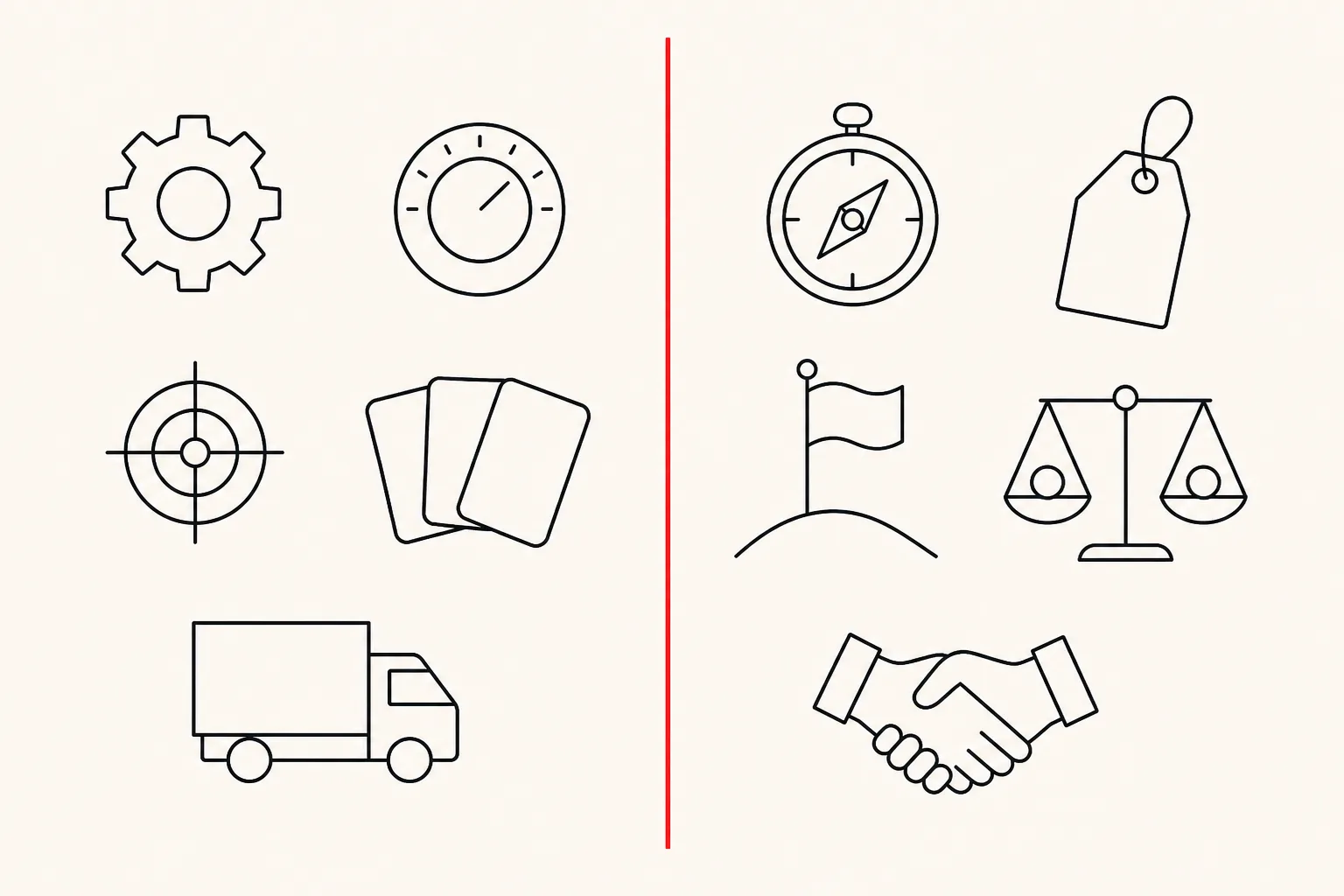
Google’s AI Max for Search campaigns can expand search-term matching using broad match and keywordless technology, customise ad text and use Final URL expansion to send users to relevant pages on a website. Performance Max goes even further, using Google AI across Search, YouTube, Display, Discover, Gmail and Maps to automate bidding, targeting and creative optimisation. In simple terms, the machine can increasingly optimise:
- Bids: how aggressively to compete
- Matching: which searches or users may be relevant
- Placement: where the ad should appear
- Creative variation: which message or asset to serve
- Landing-page selection: which relevant page may best fit the intent
That is not a reason to fight automation. It is a reason to rethink what humans should spend their time doing.
The marketer’s new job
If the machine is getting better at execution, humans need to get better at supplying the right inputs. That means owning:
- Positioning: why should someone choose you?
- Offer: what are you actually asking the customer to buy?
- Brand: what should never be compromised?
- Customer insight: what does the customer really care about?
- Economics: which customers and conversions are actually profitable?
- Strategy: where should the business compete?
- Truth: what claims can you genuinely support?
This is a more strategic role than manually adjusting bids every morning.
Conversion data becomes the fuel
Here is the uncomfortable part: AI can only optimise toward the signals you give it. Imagine two B2B companies that both generate 100 leads from Google Ads. Company A tells Google that every form submission is a conversion. Company B sends qualified-opportunity and revenue data back into its advertising system. Company A may teach the machine: “Find me people who submit forms.” Company B can teach it: “Find me people who become valuable customers.” Those are completely different optimisation problems.
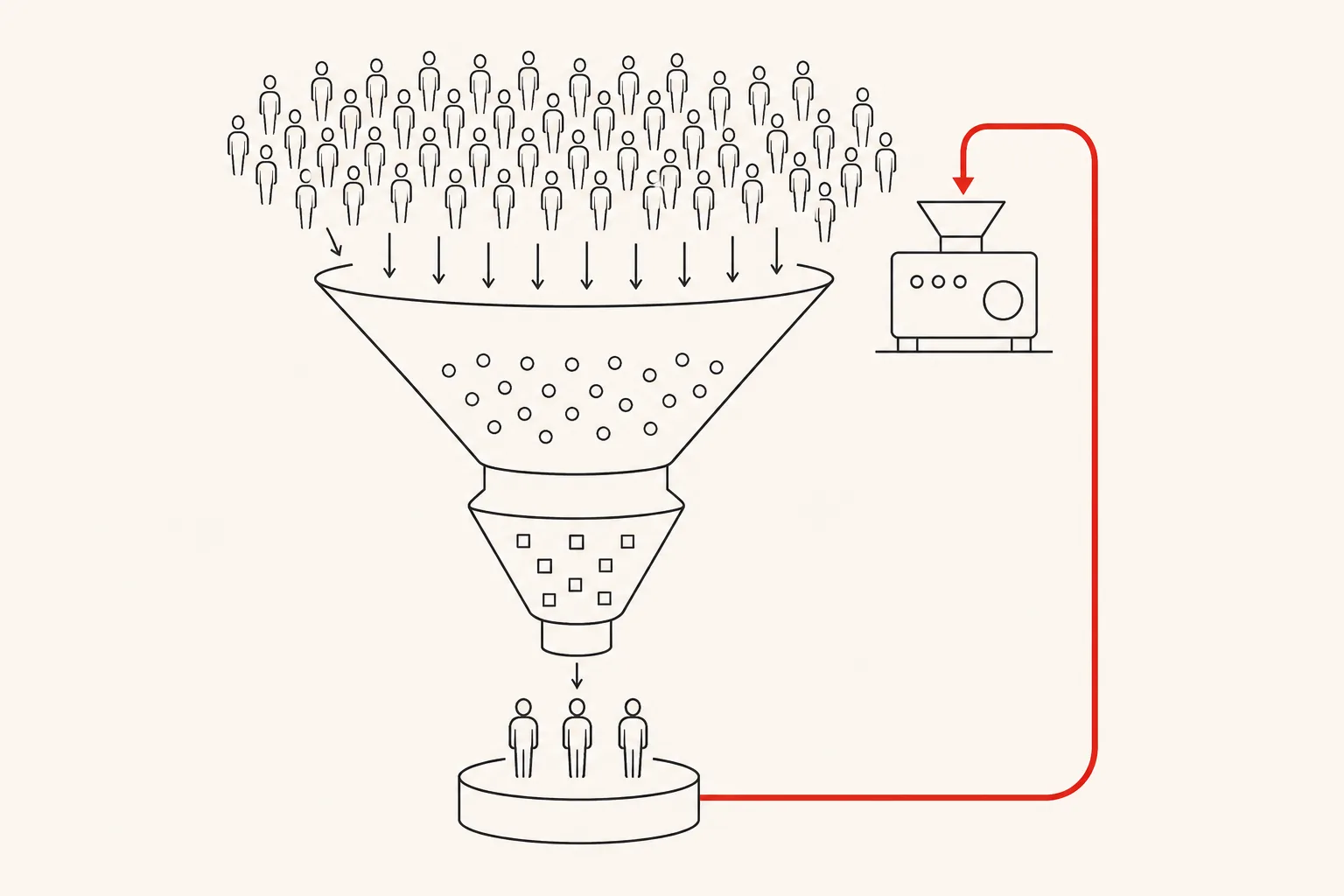
If 100 leads produce 20 sales opportunities and 5 customers, the marketer should care about the characteristics of those 5 customers — not simply the fact that 100 people filled out a form.
Example: a ₹5 lakh budget
Imagine a company spends ₹5,00,000 per month on Google Ads. The old mindset might focus on: average CPC ₹100, clicks 5,000, leads 250, cost per lead ₹2,000. But what if only 15 of those 250 leads become qualified opportunities, and only 3 become customers? Now the useful questions are different. Which campaigns produced the 15 qualified opportunities? Which messages attracted the 3 customers? Which industries converted? Which landing pages produced better pipeline? Which customer profiles generated the highest revenue? The marketer is no longer optimising for more leads. They are optimising for better business outcomes.
Landing pages and creative move upstream
There is another consequence of Google’s increasing automation: your website becomes part of the advertising system. With Final URL expansion, Google can use relevant pages from your domain rather than relying only on one manually selected destination. That means your website architecture, page quality, messaging and content can influence how effectively the system connects search intent with landing experiences. The question is no longer simply, “Is my ad good?” It becomes, “Can my entire website help the system understand what I sell and deliver the right experience?”
Creative strategy moves upstream too. If AI can create and customise ad copy, humans should spend less time producing endless variations and more time defining the creative direction. A cybersecurity company could test three strategic messages: risk (“Find the vulnerabilities attackers can exploit”), compliance (“Stay ready for your next security audit”) and speed (“Identify critical threats before they become incidents”). AI can generate variations around those ideas. But deciding which idea deserves to exist is a strategic decision. The machine can multiply the message. It should not be responsible for inventing the business strategy behind it.
The biggest mistake: giving AI bad instructions
Automation amplifies inputs. If your conversion tracking is weak, AI can optimise toward weak conversions. If your landing pages are unclear, AI can send more traffic into unclear experiences. If your offer is unattractive, more sophisticated bidding will not magically make it attractive. Google itself emphasises that Performance Max works best when advertisers provide strong data, meaningful conversion actions, creative assets and clear business goals. In other words: better automation does not remove the need for better marketing fundamentals. It makes them more important.
Seven questions for the AI-first marketer
Before asking Google to optimise harder, ask:
- What is a valuable customer worth?
- What actions actually predict revenue?
- Are we sending accurate conversion data back to Google?
- Is our offer genuinely competitive?
- Does our landing page match the customer’s intent?
- Do we have clear creative and positioning hypotheses?
- What business constraints should the AI never violate?
These questions are becoming more valuable than another spreadsheet of keyword bids.
The shift in one sentence
The old question was: “Which keyword should I bid ₹73 on?” The better question is: “What does a valuable customer actually look like, and have I given the system enough information to find more of them?” That is the real shift. Google is not eliminating the marketer. It is eliminating more of the marketer’s manual execution layer. The marketer who wins in this environment will not necessarily be the person who can adjust the most bids, build the longest keyword list or create the most campaign variations. It will be the person who understands the customer, the offer, the economics, the brand and the data well enough to tell the machine what good actually means.
Marketers are moving from managing the machine to teaching the machine what matters.