
The first 90 days after launch matter more than launch day.


Launch is when the product stops being protected by assumptions and starts meeting real users, real devices, real data and real impatience.
Launch day is a milestone, not the ending
Software teams naturally organise themselves around launch. There is a date, a checklist, a release channel and often a suspicious amount of caffeine. Then the product goes live and everyone wants to declare victory.
Users have not received that memo. For them, launch day is simply the first day the product exists. The next 90 days are when you learn how it actually behaves in the world.
Real users are creative testers
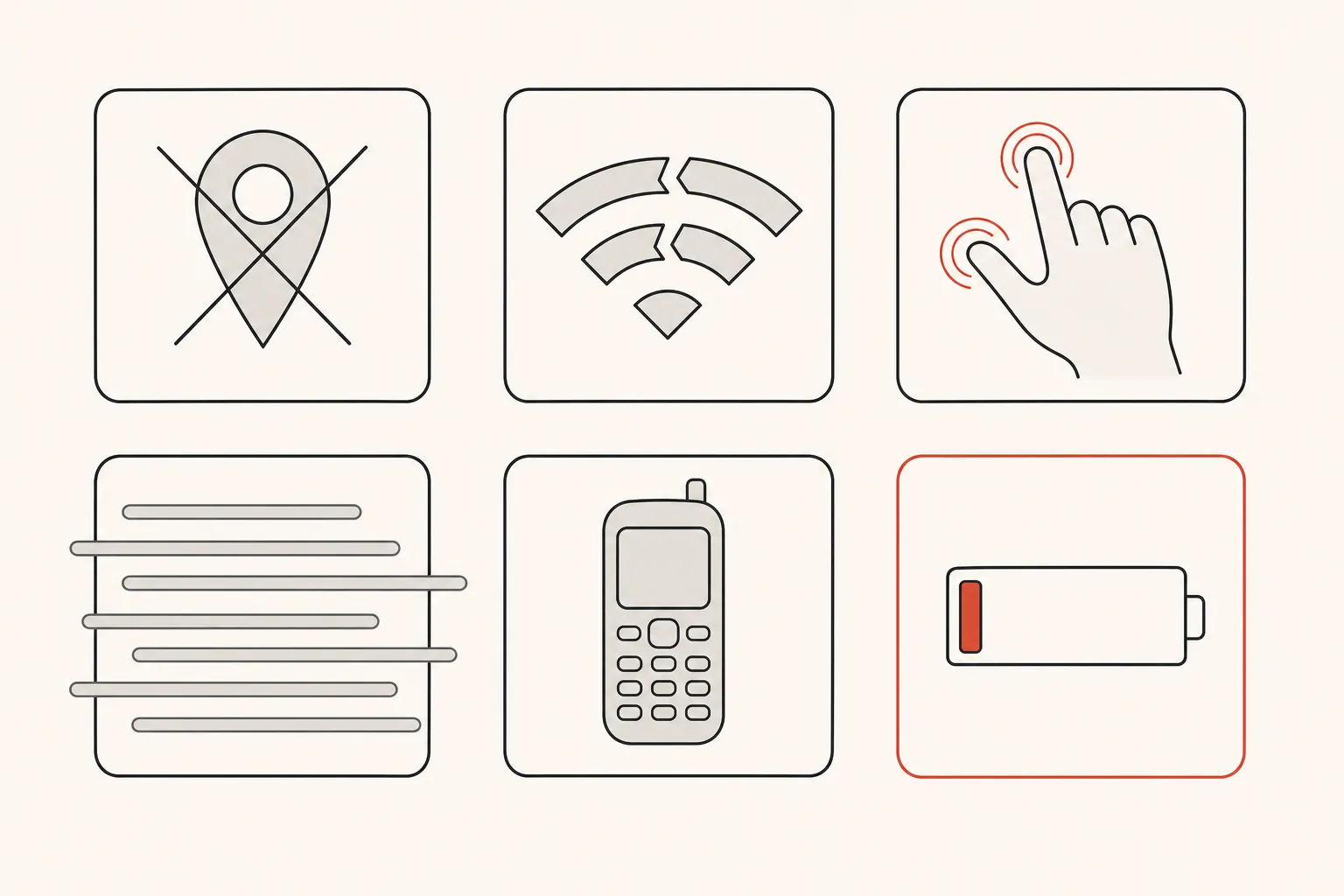
No test plan fully reproduces real behaviour. Users paste unexpected text, deny permissions, change networks mid-flow, return after three weeks, create duplicate accounts and press the button that everyone on the project subconsciously agreed nobody would press.
This is not evidence that testing failed. It is why post-launch observation is part of product engineering.
Watch behaviour, not just crashes
Crash-free sessions matter, but a perfectly stable product can still be confusing. Look at conversion funnels, abandoned steps, support questions, slow screens, search terms, empty states and repeated actions.
If everyone reaches step three and disappears, the system is telling you something even if the error log is beautifully empty.
Launch day is when assumptions finally meet users.
Fix the operational edges
The first 90 days expose operational details that demos rarely reveal: refund handling, account recovery, notification fatigue, manual admin work, content updates, failed imports, app-store reviews and data corrections.
These are not glamorous backlog items. They are the difference between a product that technically launched and a product a business can actually operate.
Separate urgent from merely loud
Post-launch feedback arrives with emotion. One customer hates a label. Another cannot complete payment. A stakeholder wants a dashboard colour changed before lunch. The team’s job is to distinguish severity from volume.
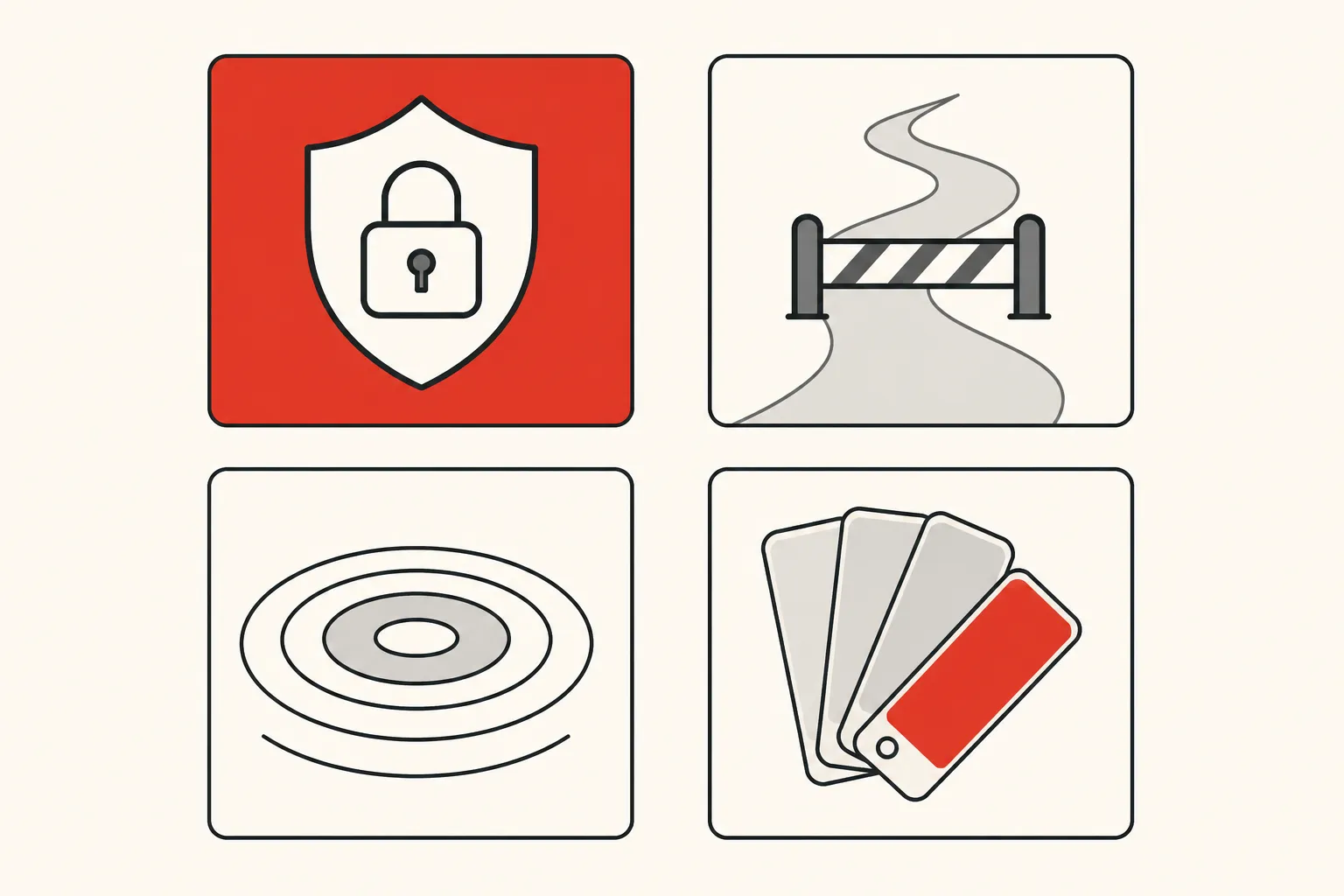
We like a simple hierarchy:
Post-launch priority order
- Security and data integrity first
- Blocked user journeys second
- Widespread friction third
- Optimisation and preferences after that
Create the learning loop
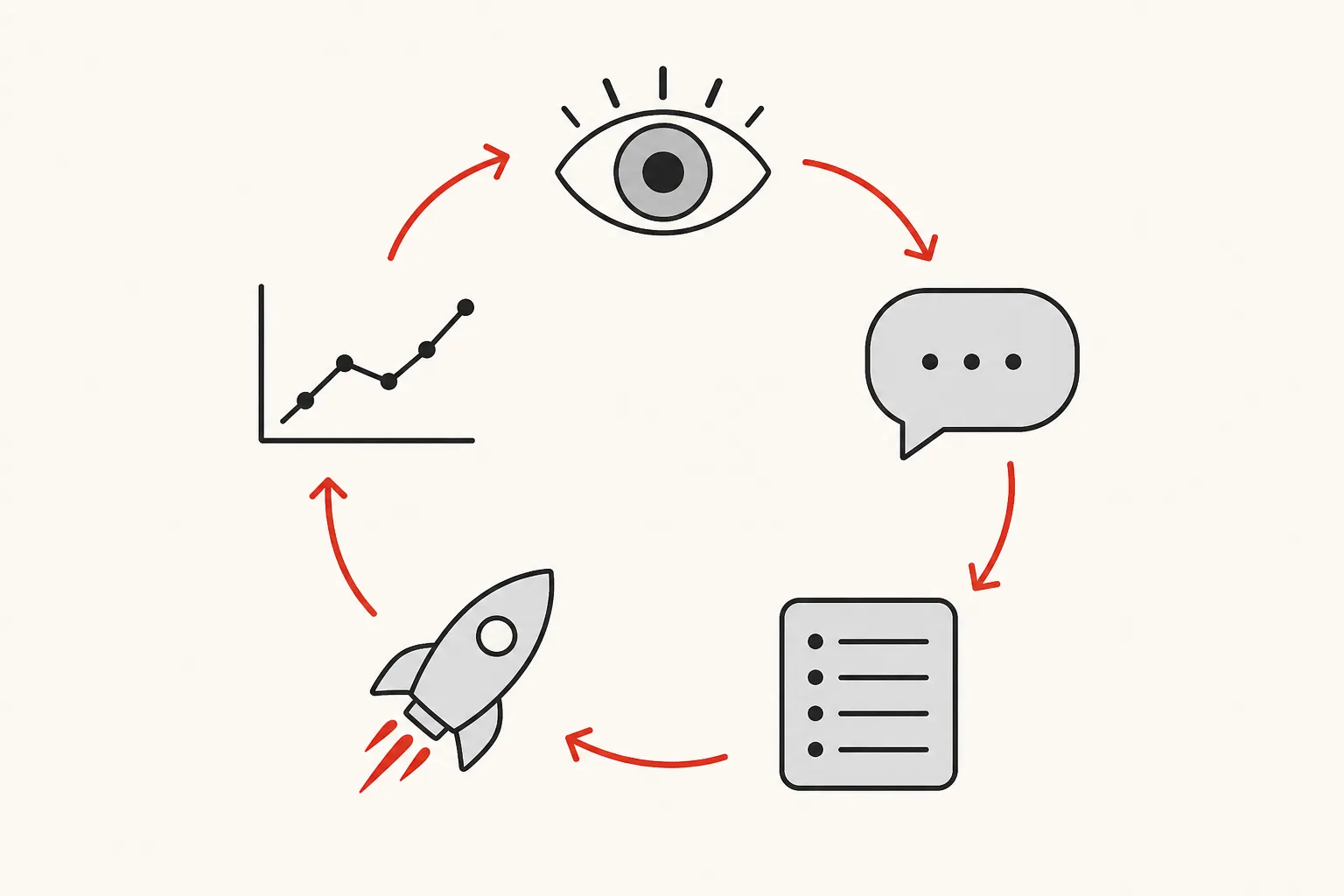
The best 90-day period has a rhythm: monitor → collect feedback → prioritise → release → measure again. Small, frequent releases are easier to understand than one giant ‘post-launch improvements’ package six weeks later.
Keep the people who built the product close enough to understand what users are teaching you. Context is expensive to rebuild.
Launch is when the evidence starts
Before launch, most product decisions are informed bets. After launch, you begin accumulating evidence. Treat that as an advantage, not an interruption.
A launch date tells you when software became available. The first 90 days tell you whether it is becoming a product.
Found this useful? Build with us.
Tell us what you have in mind. Within 48 hours you'll hear back with an honest plan, clear pricing, and friendly, straight answers.
Start a projectStart a project