
“Finished products, not billable hours”: what that actually means.
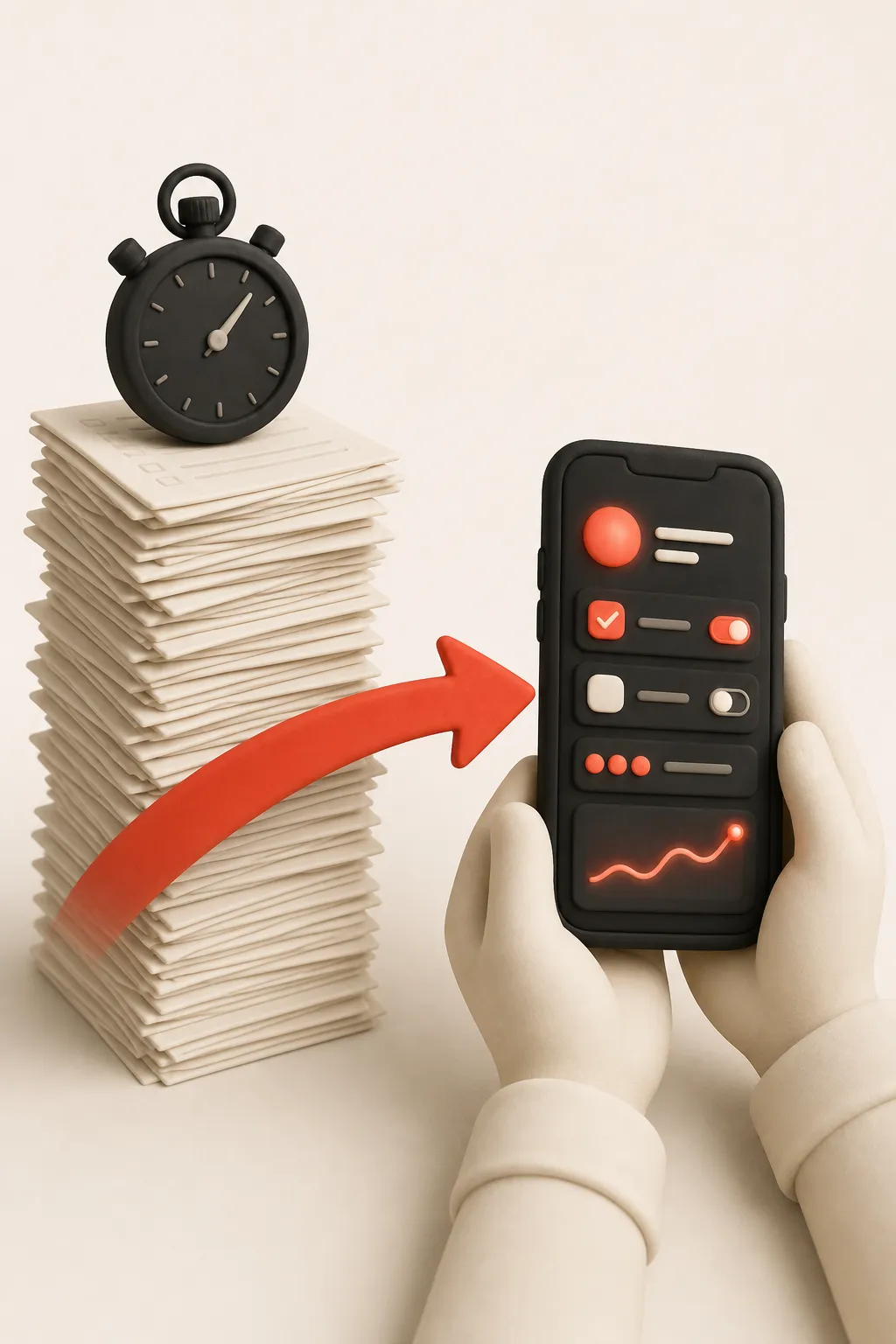

A development company can optimise for hours billed, tickets closed and staff kept busy. Or it can optimise for whether the product actually becomes useful. Those two incentives produce different behaviour long before launch.
Billable hours are a measurement, not an outcome
There is nothing wrong with billing for time. Engineering takes time. Design takes time. QA takes time. The problem starts when hours become the thing the delivery system is built to maximise.
Customers do not buy 1,200 hours because they have a deep emotional attachment to timesheets. They buy progress toward a working product.
Finished means usable, not merely coded
A feature is not finished because the pull request merged. It still needs the states real users will hit, error handling, permissions and tests. It needs a deployment, and enough support in place for the business to run it.
The difference sounds small on a backlog and enormous on launch day.
Ownership changes the questions we ask
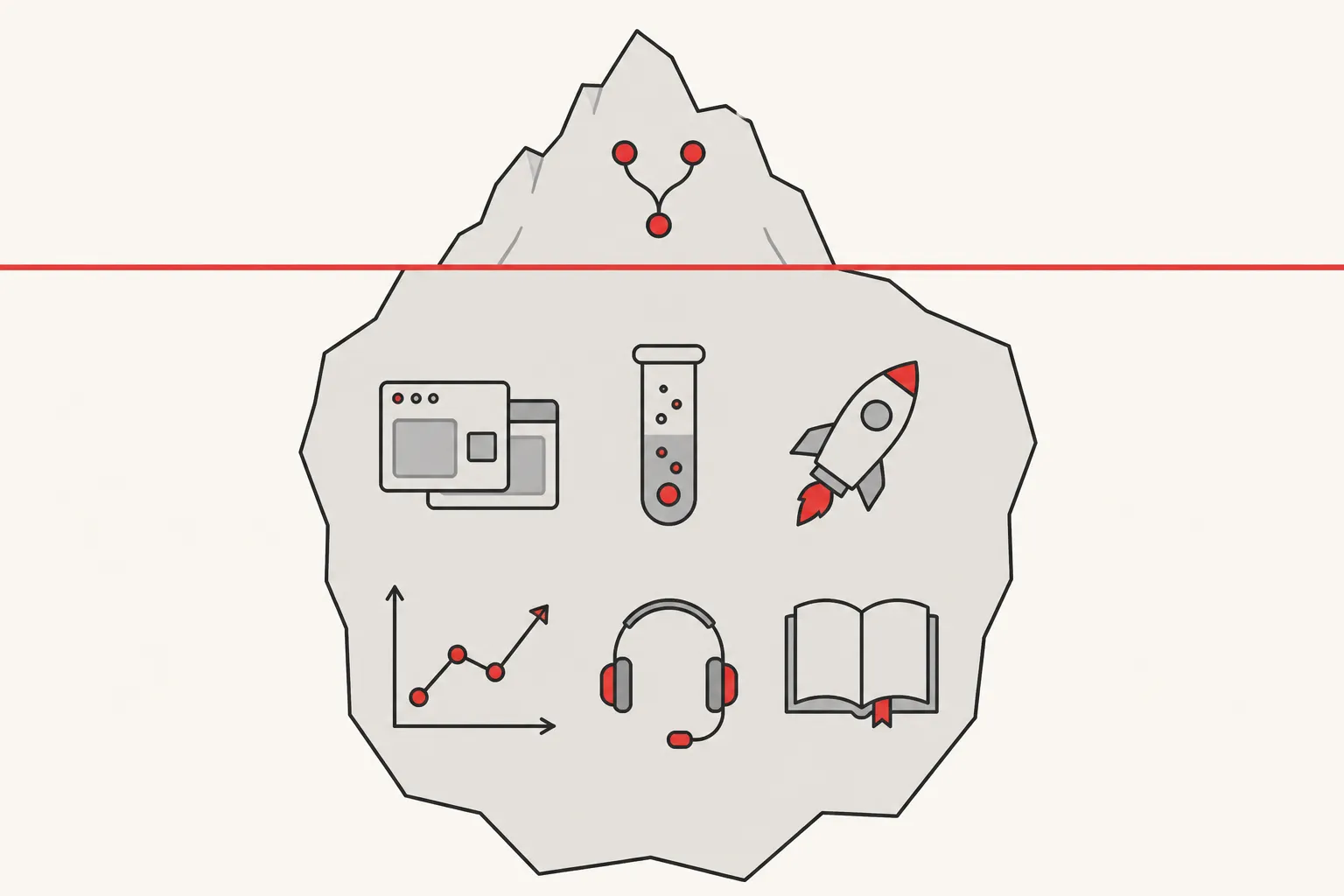
A ticket-delivery mindset asks, ‘What exactly did the client request?’ An ownership mindset also asks, ‘What problem are they trying to solve? Is this the simplest path? What will break operationally? What should we not build yet?’
Sometimes the most valuable engineering recommendation is to delete a feature from the plan. That is hard to do if success is measured only by how much work enters the system.
Arguing in the right places is part of the job
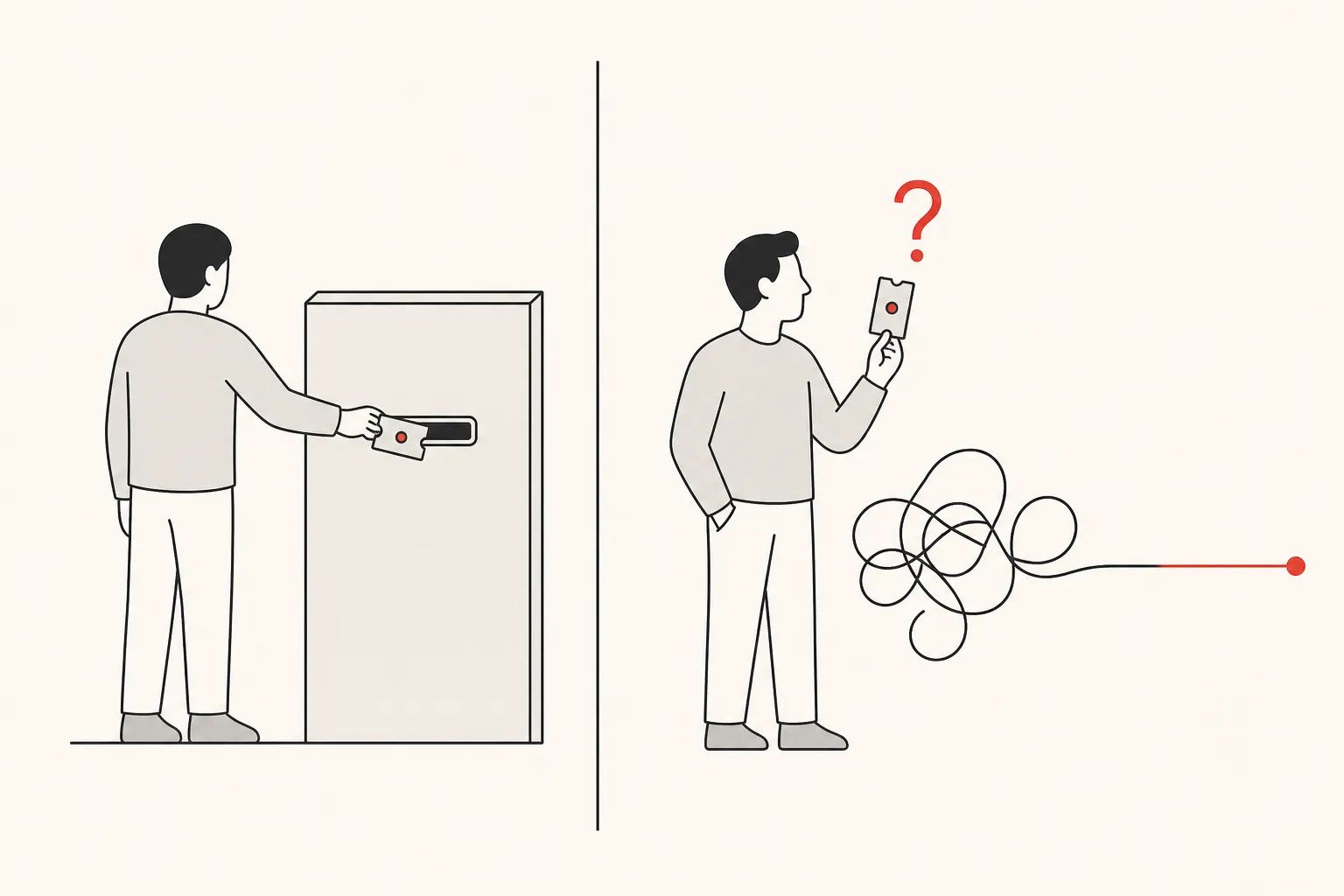
Healthy product teams disagree. Engineers challenge risky shortcuts. Designers challenge unnecessary complexity. Clients challenge assumptions. Project managers challenge vague decisions.
The goal is not conflict for its own sake. It is making important disagreements happen while the cost of changing direction is still low.
Customers do not buy hours. They buy progress toward a product that works.
The team stays close to the result
Our model is small, dedicated teams with weekly demos and support after launch. That structure keeps the people who made the decisions close to the consequences.
When a launch issue appears, the answer should not be ‘the implementation team has rolled off and this is now a support ticket.’ A finished product includes a responsible path through launch and the period after it.
Long relationships are a side effect of useful work
The best client relationships stop feeling transactional because context builds up. The team learns the business, not just the backlog. Decisions get faster and pushback gets sharper.
Script Lanes has worked with more than 200 client teams over 15 years. The company grew from mobile apps into web, cloud, data and AI. The technologies changed because the work demanded it. The principle did not: useful software is the point.
What it means in practice
What it looks like week to week
- Show working software every week.
- Say so clearly when scope changes.
- Test the ugly paths.
- Recommend an existing integration instead of custom code when that is better for the customer.
- Stay around long enough to see whether the product works outside the demo.
Finished products, not billable hours, is not a pricing slogan. It is a statement about which result should win when incentives conflict.
Found this useful? Build with us.
Tell us what you have in mind. Within 48 hours you'll hear back with an honest plan, clear pricing, and friendly, straight answers.
Start a projectStart a project