


Your CRM has 40,000 leads. Your sales team has probably marked 5,732 of them as “hot.” Apparently, everybody is hot. And that is exactly the problem.
Your sales team doesn’t need 40,000 leads. They need to know which 400 matter most — and why.
The problem isn’t your leads. It’s your prioritisation.
Most CRMs are excellent at storing leads. They are much less effective at telling your sales team which leads deserve attention right now. Traditional lead scoring was designed around simple rules: opened an email? +2. Downloaded a PDF? +5. Job title says CTO? +10. Visited pricing? +8. Add enough points together and you get a lead score: 87. Great. But what does 87 actually mean? Should a salesperson call today, send an email, wait, nurture, or ignore the lead? A number cannot always answer that.
A growing B2B company can generate thousands of leads without generating thousands of genuine opportunities. Your CRM might contain a founder who downloaded an ebook six months ago, a procurement manager actively comparing vendors, and a CTO who visited pricing twice yesterday. Traditional scoring can struggle to understand the difference. AI can look at the context behind the activity and ask a better question: “How likely is this company to become a valuable customer, and what should the sales team do next?”
From lead scoring to lead intelligence
AI-assisted qualification can combine multiple signals:
- Company fit and industry
- Website behaviour and recency
- Conversation history and sales notes
- Email engagement and purchase intent
- Product fit and account value
The important part is not simply collecting more data. It is connecting the data. A pricing-page visit by itself might mean very little. A pricing-page visit twice, followed by downloading security documentation and replying to an implementation email, is a very different signal.
Context beats points
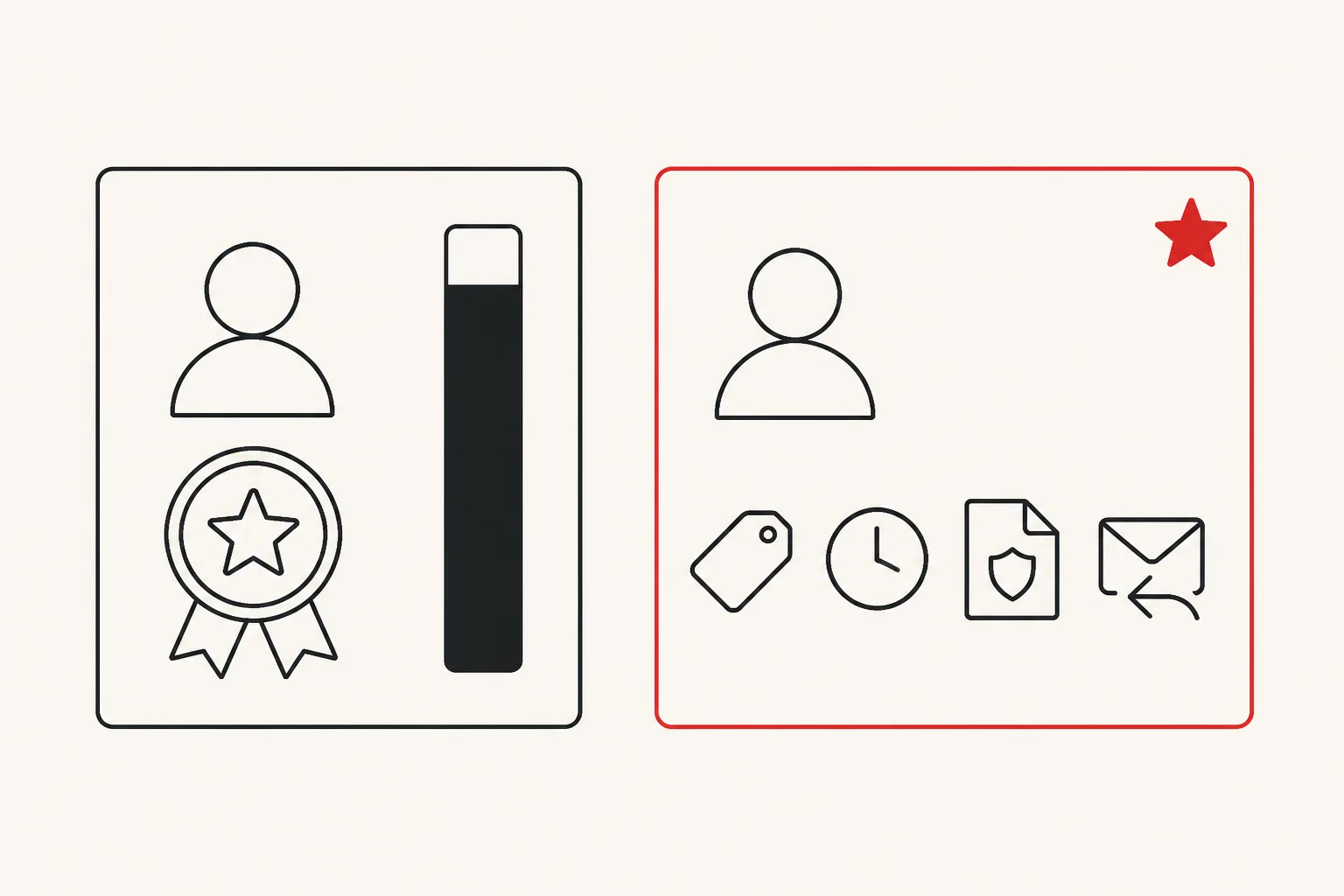
Imagine two leads. Lead A has a score of 91 after downloading ebooks, attending a webinar and opening marketing emails. Lead B has a score of 78 but visited pricing twice yesterday, viewed security documentation and replied to a sales email about implementation. Which one should your salesperson call first? Probably Lead B. Not because 78 is better than 91, but because the behaviour has context. Lead A may be researching. Lead B appears to be evaluating. That distinction is where AI adds real value.
Give sales a decision, not a dashboard
The goal should not be another complicated dashboard. Your salesperson does not need 14 more columns in Salesforce. They need a decision. Instead of “Lead score: 87,” AI could produce: “Priority: high. Why: 250-person healthcare company. The CTO visited pricing twice, downloaded security documentation and replied to an implementation email yesterday. Intent: high. Fit: strong. Urgency: high. Suggested next action: senior sales outreach today.” Now the score is useful, because it comes with an explanation and an action.
AI can also detect what rules miss. A lead may never explicitly say, “We are ready to buy.” Intent can appear through a sequence of small behaviours: visiting pricing, returning later, reading an industry case study, opening a sales email, downloading implementation material, asking about integrations. Individually, none proves purchase intent. Together, they tell a story. AI can also identify negative signals, such as a senior title at a poor-fit company or repeated visits focused only on educational content. The objective is not to make every lead look promising. It is to make the system better at saying “this one matters” — and sometimes “this one doesn’t.”
The real opportunity: next-best action
Lead qualification is only half the problem. The bigger opportunity is deciding what happens next. AI might recommend:
- Call today for a high-intent prospect
- Send a case study for a lead still evaluating
- Route to technical sales when integration questions appear
- Continue nurturing when buying intent is low
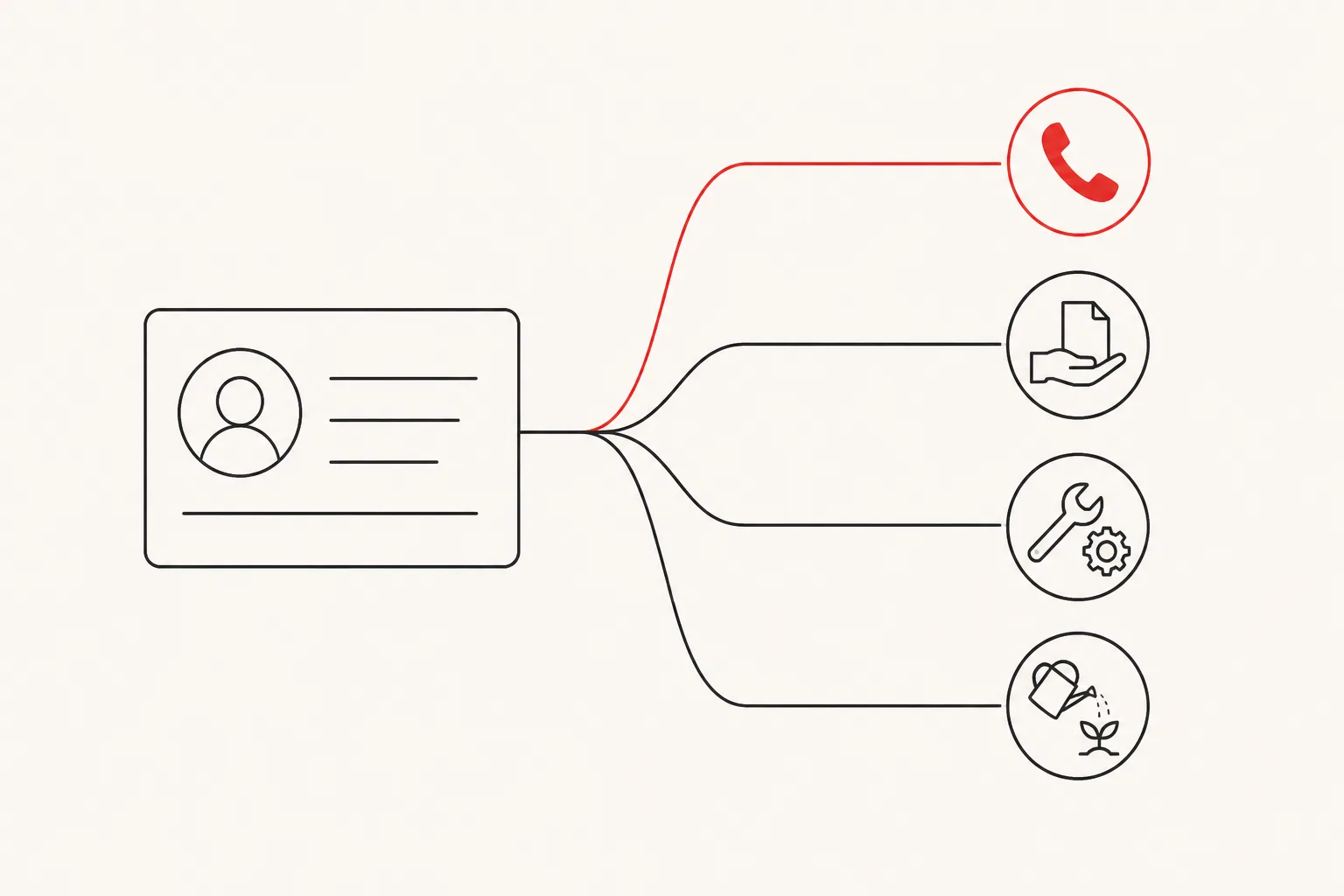
This turns AI from a scoring engine into a decision-support system. Sales productivity is about spending the right amount of time on the right leads at the right moment.
What this could look like inside a CRM
Imagine opening your CRM tomorrow morning. Instead of seeing 5,732 hot leads, you see 400 high-priority opportunities. Beside each one: why now (strong buying signals in the last 72 hours), fit, intent, urgency, a recommended action and an AI summary — “Healthcare company with 250 employees; CTO revisited pricing twice, downloaded security documentation and responded to an implementation email.” The CRM is no longer just a database. It becomes a decision layer on top of your customer data.
But AI shouldn’t replace salespeople
AI should not decide that a lead is worthless and permanently bury it. It should help sales teams prioritise attention. Human judgment still matters. A salesperson may know about a merger, have a relationship with the decision-maker, or know about an upcoming initiative that the CRM cannot see. AI provides the signal. The salesperson provides the judgment. The best systems combine both.
The future of CRM isn’t more data
If your company has 40,000 leads, improving qualification does not necessarily mean generating more leads. It can mean getting more value from the leads you already have. Better prioritisation can reduce wasted effort, surface high-intent prospects faster, summarise sales notes and give managers a more consistent basis for deciding which accounts deserve attention. The result is not simply a smarter CRM. It is a sales organisation that can respond faster to actual buying signals.
Businesses have spent years collecting customer data: web analytics, emails, forms, calls, sales notes, support tickets, product usage and campaign interactions. The problem is rarely a lack of information. The problem is knowing what matters. AI changes the question from “What happened with this lead?” to “What does everything we know about this lead mean?” — and eventually “What should we do about it?” That is where AI becomes genuinely useful. Because if your CRM says 5,732 leads are hot, the real problem may not be lead generation. It may be that your CRM has forgotten what the word hot means.